
 EN
EN




What Defines a Professional Halal-Compliant Functional Coffee Supplier?
Professional halal-compliant functional coffee suppliers integrate Islamic dietary compliance with scientific precision across their operations. True professionalism extends beyond basic certification to encompass three critical dimensions: supply chain integrity validated through third-party audits like IFANCA and JAKIM, rigorous compatibility testing of functional ingredients to maintain both efficacy and halal status, and operational transparency with batch-level documentation. These suppliers implement DNA-level traceability from green coffee sourcing to final packaging, ensuring no cross-contamination occurs during roasting or functional ingredient infusion. They also master formulation challenges—balancing bioavailability of active compounds like adaptogens with halal constraints on carriers and solvents—while maintaining clean-label standards. This holistic approach establishes verifiable trust for religiously observant consumers seeking scientifically-backed functional benefits.
Halal Certification Integrity: Beyond the Logo to Supply Chain Traceability
True professionalism in a halal-compliant functional coffee supplier demands rigorous verification beyond surface-level certification. Authentic halal integrity requires documented compliance at every touchpoint—from ethically sourced green beans to final packaging.
Verifying Halal Compliance at Every Stage: Green Coffee Sourcing, Roasting, Functional Ingredient Integration, and Packaging
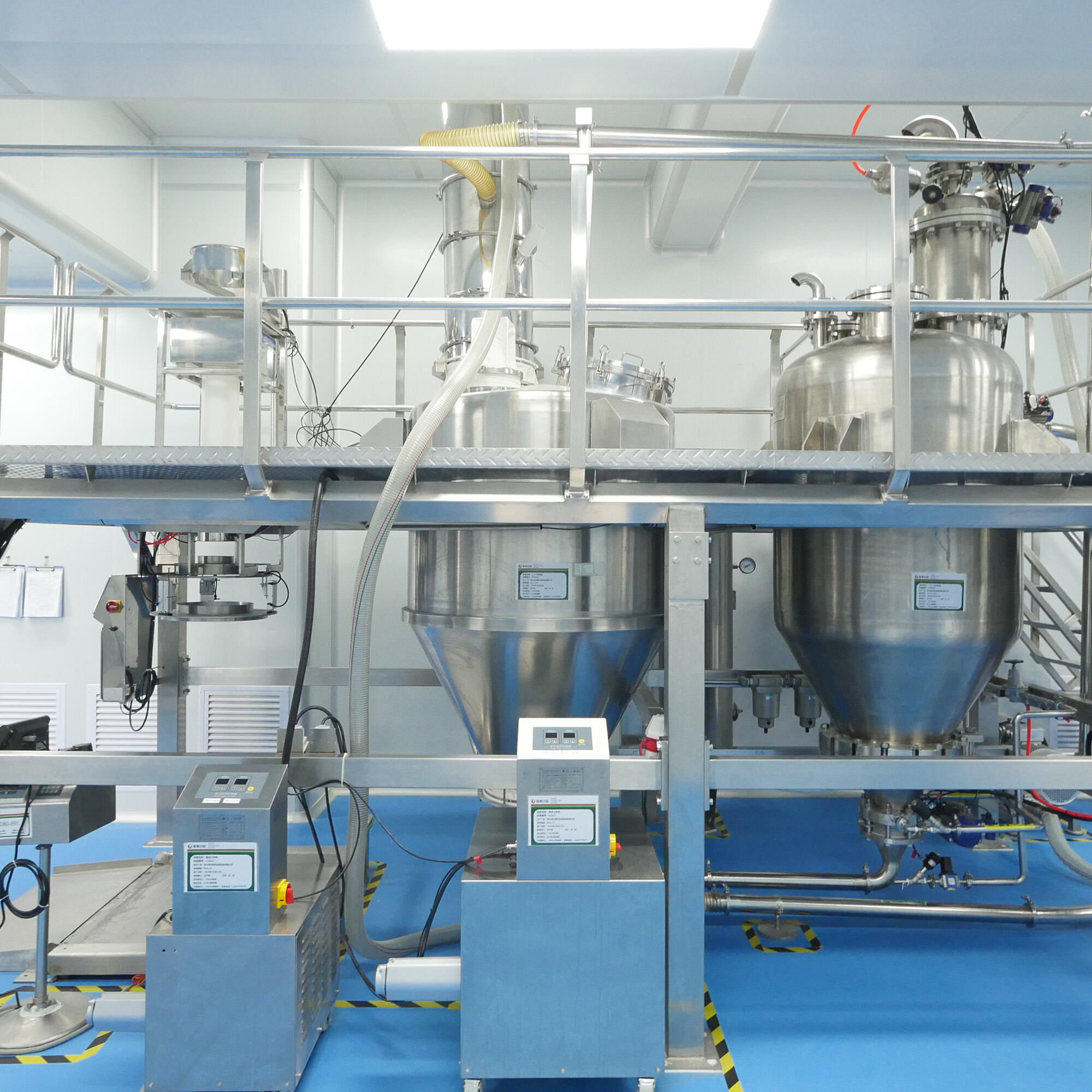
Supply chain complexity remains a critical challenge. Cross-contamination risks escalate during roasting where shared equipment may contact non-halal substances. Functional ingredient integration introduces further vulnerabilities—especially with ethanol-based extracts or gelatin-encapsulated additives. Leading suppliers implement blockchain-tracked batch records and segregated production lines, ensuring traceability from farm to foil-sealed packaging.
Why Third-Party Audits Matter — and How Top-Grade Suppliers Exceed IFANCA and JAKIM Standards
Annual audits by bodies like IFANCA (Islamic Food and Nutrition Council of America) and JAKIM (Malaysia’s Department of Islamic Development) establish baseline credibility. However, elite halal-compliant functional coffee suppliers conduct surprise audits and real-time microbial swab testing, surpassing mandatory checks. This proactive approach mitigates operational risks—non-compliance incidents cost manufacturers an average of $740k in recalls and lost contracts. Transparent audit trails also build consumer trust, demonstrating accountability beyond certification logos.
Functional Ingredient Compatibility: Ensuring Halal Status Without Compromising Efficacy
Navigating halal-sensitive additives: flavor carriers, ethanol-based extracts, and encapsulated probiotics
Professional halal-compliant functional coffee suppliers face critical formulation challenges with additives like synthetic flavor carriers that may contain gelatin derivatives. Ethanol-based botanical extracts present particular compliance risks—while effective for potency, traditional extraction methods violate halal principles if traces remain. Savvy producers now utilize CO2 extraction or glycerin-based solvents validated by certifiers. Similarly, probiotic encapsulation requires plant-derived cellulose capsules instead of common bovine-gelatin alternatives. This meticulous substitution approach balances Sharia compliance with sensory quality, preventing taste distortion in final products.
Stability and bioavailability trade-offs — how elite suppliers maintain functional integrity within halal constraints
Replacing conventional additives impacts functional performance—plant-based encapsulation can reduce probiotic viability by 15–20% versus animal-derived alternatives. Premier suppliers overcome this through nitrogen-flushed packaging and microencapsulation tech that shields active ingredients. Similarly, halal-compatible lipid carriers like medium-chain triglycerides preserve adaptogen bioavailability while eliminating alcohol solvents. These innovations demonstrate how benchmark halal-compliant functional coffee suppliers achieve efficacy parity through proprietary stabilization methods and accelerated shelf-life testing. Rigorous dissolution studies confirm ingredient integrity remains uncompromised throughout halal-mandated supply chains.
Trust Signals of a Top-Grade Halal-Compliant Functional Coffee Supplier
Transparency is non-negotiable for discerning buyers of functional coffee. Industry studies reveal that 67% of buyers prioritize traceability documentation when selecting suppliers, correlating with 42% fewer compliance incidents among B2B partnerships. Elite suppliers establish trust through three measurable markers:
| Transparency Feature | Standard Practice | Premium Differentiation |
|---|---|---|
| Batch Certification | Annual documentation | QR-coded real-time access per production lot |
| Allergen Control | Facility segregation | Dedicated production lines with IoT monitoring |
| Clean-Label Alignment | Ingredient disclosures | Third-party verified non-GMO & organic claims |
Critically, these protocols must permeate every operational tier:
- Batch-Level Halal Certification: Digital access to IFANCA/JAKIM validation for every shipment, including supporting documents
- Allergen & Cross-Contamination Controls: Industry-leading air-filtration systems and equipment separation exceeding FDA Food Safety Modernization Act standards
- Clean-Label Commitment: Elimination of synthetic carriers and ethanol-based extracts—substituting with halal-certified coconut MCT oils and plant-based encapsulation
- Supply Chain Mapping: Granular visibility into functional ingredient origins, with 87% of premium suppliers now providing farm-level data
The emergence of blockchain verification allows purchasers to validate ethical sourcing practices and contamination safeguards in real-time, transforming compliance from a checkbox into a competitive advantage.
FAQs
What makes a functional coffee supplier halal-compliant?
A halal-compliant functional coffee supplier ensures that the entire supply chain, from sourcing green coffee to ingredient infusion, aligns with Islamic dietary laws and employs third-party audits like IFANCA and JAKIM for validation.
Why are third-party audits important for halal compliance?
Third-party audits establish baseline credibility and ensure that suppliers not only meet but exceed standard compliance requirements, ensuring product integrity and consumer trust.
How do suppliers ensure functional ingredient compatibility while adhering to halal standards?
Suppliers navigate challenges with additives, employing alternatives like CO2 extraction or glycerin-based solvents for botanicals and plant-derived capsules for probiotics.
What are common challenges in maintaining halal certification integrity?
Challenges include preventing cross-contamination during roasting and ensuring that functional ingredients like ethanol-based extracts adhere to halal guidelines.
Table of Contents
- What Defines a Professional Halal-Compliant Functional Coffee Supplier?
- Halal Certification Integrity: Beyond the Logo to Supply Chain Traceability
- Functional Ingredient Compatibility: Ensuring Halal Status Without Compromising Efficacy
- Trust Signals of a Top-Grade Halal-Compliant Functional Coffee Supplier
- FAQs