
 EN
EN




Bioavailability: Why Molecular Weight and Hydrolysis Matter for Edible Marine Collagen Peptide Powder
How enzymatic hydrolysis ensures optimal peptide size (â¤5 kDa) for rapid intestinal absorption
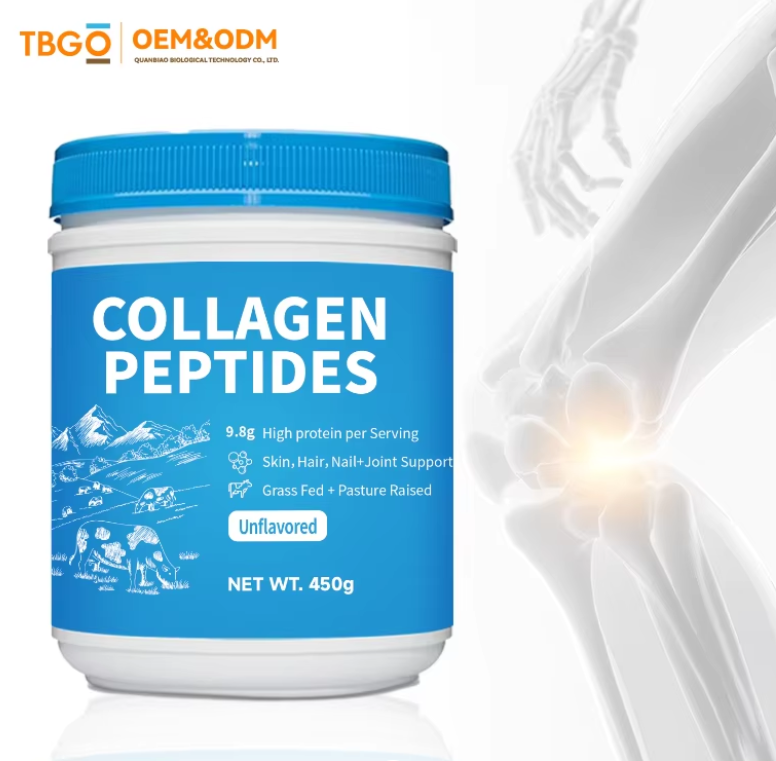
When marine collagen undergoes enzymatic hydrolysis, it gets broken down into tiny bioactive peptides that are usually below 5 kDa in size. This is considered the ideal size range for these molecules to passively diffuse through the intestinal lining. The process specifically targets and breaks apart the tough triple-helix structure of collagen without messing up important amino acid sequences such as GPO, which helps keep those peptides active. Peptides from marine sources tend to have tighter molecular weight ranges and dissolve better in water than their mammalian equivalents, which means they can break down quicker once they hit the gut. Looking at actual clinical data, we see that peptides sized at or below 5 kDa reach maximum concentration in blood plasma around 30 minutes after ingestion, about 1.5 times faster than bigger fragments, and they keep amino acid levels elevated for longer periods. Another benefit worth mentioning is that careful hydrolysis removes certain parts of the protein that might trigger immune responses, making them less likely to cause allergies while still getting delivered effectively to areas like skin tissue, cartilage, and bones throughout the body.
Human clinical evidence: Superior plasma glycine-proline-hydroxyproline kinetics vs. bovine collagen
Studies on human subjects show that when it comes to boosting plasma levels of glycine, proline, and hydroxyproline, marine collagen peptides work much quicker and last longer compared to their bovine counterparts. The peak level of hydroxyproline happens around two hours after taking marine collagen, which is actually half the time needed for bovine collagen where peaks happen about four hours later. Plus, these higher plasma levels stay up for roughly 25% longer with the marine version. Why does this happen? Well, marine collagen tends to have smaller molecules on average and dissolves better in water. These properties help the body absorb them through different pathways in the intestines more effectively. Since we know those GPO rich tripeptides can really kickstart collagen production in skin cells, this faster absorption means real world benefits too. Clinical research has confirmed improvements in skin stretchiness, less pain in joints, and better healing of connective tissues across various studies published by reputable journals.
Sourcing & Purity: Evaluating Sustainable, Safe Raw Materials for Edible Marine Collagen Peptide Powder
Wild-caught North Atlantic cod skin: Low heavy metal risk, high collagen I yield, and MSC-aligned sourcing
North Atlantic cod skin caught in the wild remains the gold standard for producing premium quality edible marine collagen peptides. The fact that these fish come from deep ocean waters, away from industrial waste and polluted coastlines, means they typically have very low levels of heavy metals. Tests show concentrations of cadmium stay under 0.1 parts per million and mercury stays below 0.05 ppm, both well within FDA guidelines for 2023. What makes cod skin so special? It contains over 98% Type I collagen, which happens to be exactly what our bodies need most since this form makes up most of our skin and tendon structures. When it comes to sustainability, third party certifications like MSC back up claims about responsible fishing practices. These certified operations make sure all parts of the fish get used properly. Farmed options don't offer the same consistency though, because things like what the fish eat and water conditions can affect both purity and how intact the collagen remains.
| Sourcing Factor | Wild North Atlantic Cod | Farmed Alternatives |
|---|---|---|
| Heavy Metal Risk | Low (open ocean) | Variable (feed-dependent) |
| Collagen I Yield | High (98%+) | Moderate |
| Sustainability Verification | MSC-aligned | Limited certification |
Non-negotiable quality markers: ISO 22000 hydrolysis, zero fillers, and allergen-free certification
Manufacturing rigor defines true product integrity. Enzymatic hydrolysis must be conducted under ISO 22000-certified food safety management systems to guarantee batch-to-batch consistency in peptide size (<5 kDa), enzymatic specificity, and absence of thermal degradation. Third-party verification is essential for three non-negotiable criteria:
- Zero bulking agents or flow aids (e.g., maltodextrin, silicon dioxide)
- Residual solvents undetectable at clinically relevant thresholds (<0.1 ppm)
- Allergen-free statusâvalidated for fish protein and crustacean cross-contact
Reputable suppliers issue lot-specific Certificates of Analysis (CoA) covering heavy metals, microbiological load (Salmonella, E. coli, total aerobic count), and solvent residues. This level of transparency exceeds baseline FDA compliance and addresses the core safety concerns cited in 92% of consumer complaints logged in 2023 supplement industry audits.
Transparency & Verification: Reading Labels and Certifications for Edible Marine Collagen Peptide Powder
Collagen Type I Specificity and Batch-Level Third-Party Testing Reports
Look for clear labeling when checking out edible marine collagen peptide powders. The product should specifically state it contains Collagen Type I, which happens to be the main type found naturally in our skin, tendons, and bones. Clinical research shows this particular form actually supports skin thickness and joint health better than other types. Don't forget to check if the manufacturer provides third party lab reports for each batch they produce. These reports need to come from labs certified under ISO/IEC 17025 standards. What we're really looking for here are test results that confirm the product meets rigorous quality standards across several important metrics including purity levels, heavy metal content, and microbial contamination limits.
- Heavy metals: cadmium â¤0.1 ppm, mercury â¤0.05 ppm (per FDA 2023 guidance)
- Microbial safety: zero Salmonella, E. coli, and <10 CFU/g total aerobic count
- Residual solvents: ethanol â¤5000 ppm, with all processing solvents confirmed <0.1 ppm
Top companies now put QR codes right on their product packaging so consumers can scan them and instantly access digital Certificates of Analysis for every batch produced. This gives immediate confirmation about whether the product meets standards for purity, strength, and overall safety. Studies have shown something pretty alarming too: products without these documented records tend to be contaminated at rates around three times higher than those with proper documentation. When looking at labels, don't just check if there are any certification marks present. Take an extra step and verify those logos actually match what's listed in the official ISO and MSC databases. Just seeing a logo isn't enough anymore these days.
FAQ Section
What is the ideal molecular weight for collagen peptides to ensure effective absorption?
The ideal molecular weight for collagen peptides is below 5 kDa, as this allows them to passively diffuse through the intestinal lining rapidly.
Why is North Atlantic cod skin preferred for producing marine collagen peptides?
North Atlantic cod skin is preferred because it has very low levels of heavy metals and contains over 98% Type I collagen, which aligns with the body's needs for skin and tendon structures.
How can I verify the quality of marine collagen peptide products?
You can verify the quality by looking for products with certifications, batch-level third-party lab testing reports, and checking product labels for Collagen Type I specificity and purity standards.
Table of Contents
- Bioavailability: Why Molecular Weight and Hydrolysis Matter for Edible Marine Collagen Peptide Powder
- Sourcing & Purity: Evaluating Sustainable, Safe Raw Materials for Edible Marine Collagen Peptide Powder
- Transparency & Verification: Reading Labels and Certifications for Edible Marine Collagen Peptide Powder
- FAQ Section