
 EN
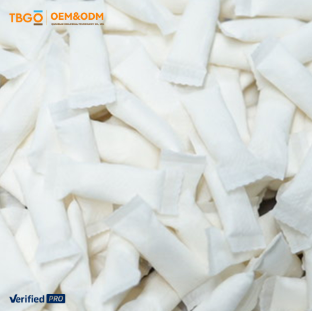
Why Plant-Based Energy Pouches Are the Strategic Shift for Eco-Conscious Brands
Sustainability has moved from a niche preference to a core procurement filter for B2B buyers. Plant-based energy pouches represent more than an incremental packaging change—they signal supply chain alignment with consumer values. Recent surveys show 66% of consumers are willing to pay a premium for products in sustainable packaging, a figure that rises to 73% among millennial buyers (2024). For energy gel and performance nutrition brands, this creates measurable commercial advantage: lightweight pouch formats reduce transport emissions, and renewable feedstock selection lowers lifecycle carbon impact. Leading packaging providers report up to 35% carbon footprint reduction when switching from conventional plastic films to plant-based multilayer structures (2023).
Beyond environmental metrics, these formats deliver practical B2B benefits—high product-to-package ratio, precise portion control, and ample branding space. They also support retailer sustainability scorecards and emerging circular packaging mandates. Compared with rigid containers or traditional energy gel tubes, pouches consume fewer raw materials and generate less waste at source. The strategic shift is not simply material substitution; it’s about positioning a brand for long-term resilience. Industry projections place the global sustainable packaging market at $470 billion by 2027 (2024). Companies that adopt plant-based energy pouches early can secure preferred supplier status, differentiate in crowded energy gel categories, and build durable customer loyalty—strengthening ESG reporting and partner due diligence in the process.
Material Science Deep Dive: Balancing Compostability, Barrier Performance, and Shelf Life
Engineers face a core tension with plant-based energy pouches: fast-degrading materials often fail to protect gel contents. Polymer selection and multilayer design resolve this tradeoff.
PLA, PBAT, and Biolaminate™ — Biodegradation rates vs. functional requirements for energy gels
PLA (polylactic acid) offers high stiffness and industrial compostability but exhibits poor moisture vapor barrier and brittleness. PBAT (polybutylene adipate terephthalate) delivers flexibility and tear resistance, yet its biodegradation slows significantly in real-world compost environments. Biolaminate™ structures layer these polymers to balance degradation speed against functional demands.
For energy gels, oxygen ingress causes flavor loss and vitamin degradation, while moisture transmission alters viscosity and can trigger phase separation. Target oxygen transmission rates for 12-month shelf stability typically fall below 5 cc/m²/day—a threshold achievable with multilayer biopolymer structures (2024). Resin ratios matter: too much PLA creates microcracks during pouch forming; too much PBAT extends disintegration beyond 180-day composting windows. Blended films with 30–40% PLA content generally deliver the best compromise between stiffness and compostability.
Moisture resistance, tensile strength, and real-world shelf-life validation for plant-based energy pouches
Laboratory barrier ratings do not guarantee field performance. Pouches must be tested with actual gel product inside, because improper filling, sealing, or transport stress can compromise even high-barrier materials. Tensile strength targets typically require 15–25 MPa in machine direction for stand-up pouch forming, while moisture vapor transmission rates should stay below 2 g/m²/day to prevent gel desiccation.
Multilayer designs combining bio-based polyester inner layers with wax-based outer barriers improve water vapor resistance while retaining compostability. Accelerated aging at 40°C and 75% relative humidity validates 12-month shelf-life claims—but only when sealed samples contain real product formulations rather than water simulants.
From Lab to Logistics: Supply Chain Realities for Scaling Plant-Based Energy Pouches
Scaling plant-based energy pouches from pilot runs to commercial volume exposes structural friction beyond material chemistry. Procurement leaders must align feedstock choice, resin supply, and end-of-life infrastructure before committing to volume.
Feedstock sourcing risks (sugarcane vs. corn), resin availability, and certification transparency
Sugarcane-based bioresins often carry lower lifecycle carbon footprints than corn-based alternatives, but they concentrate in climate-exposed regions where drought or logistics disruption can tighten supply. Corn-derived feedstocks compete directly with food markets, amplifying price volatility and raising ethical sourcing questions. Resin availability remains constrained because biopolymer capacity is still a fraction of fossil-based polymer output.
Certification transparency is equally critical: suppliers should provide third-party verification such as EN 13432 or BPI certification—not just “bio-based” marketing claims. For energy gels with high moisture and oxygen barriers, a resin that passes compostability tests but fails shelf-life validation will not survive quality audits. A single supplier audit should cover agricultural origin and polymerization lot traceability. Buyers should request batch-level feedstock origin data and certify that plant-based energy pouches meet both functional and end-of-life standards before scale-up.
Industrial composting access gaps and implications for brand sustainability claims
Industrial composting access remains uneven across North America and Europe. Many municipalities lack collection streams or processing capacity for compostable flexible packaging, so these pouches often end up in landfills or incinerators. Under landfill conditions, biodegradation slows significantly, undermining the intended environmental benefit. In Europe, separate biowaste collection is expanding—but flexible packaging acceptance varies widely by processor.
This gap has direct implications for brand claims: an unqualified “compostable” statement may create regulatory and reputational risk if consumers cannot access suitable facilities. Leading brands mitigate this by using clear “industrially compostable only” labels, publishing what happens in real waste systems, and supporting local composting infrastructure. Sustainable supply should therefore be measured not just by feedstock origin but by realistic disposal pathways. Procurement teams should ask suppliers for end-of-life data tied to specific regions and avoid overstating performance where access is limited.
Frequently Asked Questions (FAQ)
What are plant-based energy pouches?
Plant-based energy pouches are sustainable packaging options made from renewable resources like sugarcane and corn. They provide eco-conscious brands with a way to align packaging with consumer values by reducing lifecycle carbon emissions and waste.
Why are plant-based energy pouches an important innovation for businesses?
They offer measurable benefits such as reduced transport emissions, lower lifecycle carbon impact, and alignment with consumer preferences for sustainable products. Additionally, these pouches improve brands' environmental, social, and governance (ESG) reporting, strengthen customer loyalty, and provide durable business resilience.
What are the challenges in creating plant-based energy pouches?
The main challenges include balancing material compostability with barrier performance for shelf life, sourcing sustainable feedstocks like sugarcane or corn, ensuring resin availability, compliance with certifications, and addressing gaps in industrial composting access.
What materials are commonly used for plant-based pouches?
Common materials include PLA (polylactic acid) for stiffness and compostability and PBAT (polybutylene adipate terephthalate) for flexibility and strength. Biolaminate™ structures, which layer these materials, are also widely used for optimal performance.
How do plant-based pouches align with sustainability goals?
They reduce material waste, lower carbon emissions during production and transportation, support circular economy principles, and satisfy sustainability scorecards for retailers. However, ensuring accessibility to industrial composting facilities is key to fully realizing these benefits.