
 EN
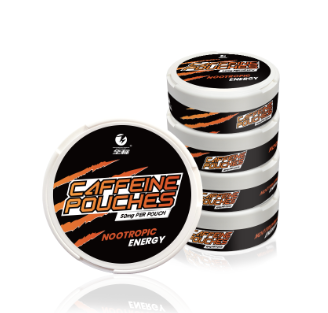
Why Custom Formulations Define Competitive Advantage in Private Label Energy Pouches
Custom formulation transforms a commodity private label energy pouch into a defensible brand asset. Two market forces explain why unique ingredient design now matters more than packaging or price.
Closing the Market Gap: Moving Beyond Generic Stimulant Blends
Many private label energy pouches still rely on a familiar stack of caffeine, taurine, and B vitamins—ingredients that are widely available, easily copied, and push brands into low-margin price competition with little repeat loyalty. Custom formulations close this gap by building proprietary ratios around clinically studied stimulants and nootropic support compounds. Instead of selling another 200 mg caffeine pouch, a brand can pair moderate caffeine with L-theanine and alpha-GPC to deliver a smoother, more focused experience. Because the recipe remains exclusive, competitors cannot replicate the exact sensory and cognitive profile—creating a strategic moat that supports premium pricing, stronger retail positioning, and a clear reason for consumers to choose one brand over another.
This shift moves the conversation from “cheaper caffeine” to “differentiated performance,” which is foundational to long-term competitive advantage. Brands that move beyond generic blends also reduce the risk of being delisted or undercut by private-label alternatives. While leading contract manufacturers can help validate ingredient stability and label claims, the formulation itself becomes the brand’s intellectual property—especially valuable as retail buyers consolidate shelf space and prioritize margin-holding products.
Consumer Demand Shift: 'Clean Energy' Meets Clinically Informed Nootropic Precision
Consumers increasingly expect energy pouches to do more than deliver a rapid caffeine spike—they seek clean energy, transparent labels, and clinically informed ingredients that support focus, alertness, and calm without jitters or crash. This shift creates an opening for private label brands that invest in nootropic precision. Ingredients such as L-theanine, theacrine, Alpha-GPC, and GABA can be combined at exact ratios to balance stimulation and relaxation. A custom formula may use a lower caffeine dose while adding theacrine for extended wakefulness and L-theanine to mitigate overstimulation. Clinically informed dosing signals credibility and helps consumers understand why the product works—not just that it does.
This precision supports clean-label positioning and premium shelf presence, while encouraging repeat purchase because the experience feels meaningfully different from commodity alternatives. Rather than chasing single-stimulant trends, custom formulations allow private label energy pouches to align with the broader supplement market’s movement toward multifunctional, feel-good energy—building a product story grounded in measurable benefits rather than marketing hype.
Developing Proprietary Formulations for Private Label Energy Pouches
A differentiated private label energy pouch depends on intentional formulation—not just a higher caffeine dose. The most defensible products combine actives that work together across alertness, focus, and sensory comfort.
Ingredient Synergy & Stability: Optimizing L-Theanine, Theacrine™, Alpha-GPC, and GABA
L-theanine is commonly paired with caffeine to smooth the stimulant curve, while Theacrine™ extends energy duration with fewer tolerance concerns. Alpha-GPC supports choline-dependent attention and memory pathways, and low-dose GABA can reduce overstimulation. In a pouch matrix, these ingredients must remain stable under moisture, pH, and temperature stress. Formulators often standardize particle size, adjust fill weight, and use dry-blending or encapsulation to protect hygroscopic actives from clumping. Because pouches are held in the mouth, dissolution rate and pH buffering affect both shelf life and user experience. Routine accelerated stability testing confirms that L-theanine, Theacrine™, Alpha-GPC, and GABA retain potency after months of storage. A 2015 randomized trial found that caffeine plus L-theanine improved attention accuracy while reducing reported jitters—supporting the value of deliberate synergy in private label energy pouches.
Bioavailability-Driven R&D: Enhancing Caffeine Delivery and Reducing Jitters
Bioavailability determines whether a formula performs beyond the label. For private label energy pouches, caffeine delivery can be improved by adjusting pH, using micronized or encapsulated caffeine, and selecting buffering agents that support oral mucosa absorption. A slower release profile reduces the sharp spike associated with jitters while preserving alertness. R&D teams typically run dissolution tests and sensory panels to compare onset time, bitterness, and mouthfeel. Reducing particle size can increase surface area—but may intensify bitter notes; encapsulation or flavor masking can offset this. Matching caffeine source—natural caffeine from green coffee or synthetic caffeine—also influences release kinetics and label positioning. By testing prototypes under simulated oral conditions, brands can select a formulation that delivers measurable energy without the crash or discomfort that drives consumers away.
Manufacturing Private Label Energy Pouches at Scale—Without Diluting Your Formula
Batch Consistency & Regulatory Compliance for Custom Stimulant Ratios
Scaling private label energy pouches requires strict control over multi-ingredient stimulant and nootropic ratios. Manufacturers must validate each batch against target levels for caffeine, L-theanine, Theacrine™, Alpha-GPC, and GABA. Blend uniformity testing and moisture content checks prevent clumping or degradation. Precise filling weights and sealed pouch integrity protect the active dose per unit. In multi-SKU production, dedicated blending sequences and cleanout protocols reduce cross-contamination risk. For clinically inspired ratios, in-process checks at pre-blend, final blend, and filled pouch stages confirm that each unit matches the approved specification. Regulatory compliance for custom caffeine blends typically follows FDA cGMP guidelines for dietary supplements, including raw material identity testing, heavy metal screening, and finished product release documentation. Brands should request certificates of analysis and retain batch records to support label claims, traceability, and market entry across regions. This disciplined framework lets brands scale without reformulation drift.
From Formula to Market: Strategic Differentiation for Private Label Energy Pouch Brands
Once a proprietary formula is stable, go-to-market strategy determines whether private label energy pouches become a repeat purchase or a one-time trial. Brand differentiation in this category rarely comes from packaging alone—it comes from translating a specific nootropic or stimulant ratio into a clear consumer promise. A formula built around L-theanine and caffeine, for example, should be positioned as “smooth focus without the crash,” while a Theacrine-based blend can lead with extended alertness. The same ingredient story must appear consistently across the pouch label, product page, and retail education materials.
Launch sequencing matters. Leading brands often introduce a single hero SKU with a narrowly defined use case—morning focus, pre-workout energy, or late-afternoon clarity—before expanding into flavors or strengths. This approach simplifies inventory, reduces minimum order risk, and gives the brand time to collect reviews that reinforce the formulation’s unique benefits. In contrast, launching multiple private label energy pouch variants at once can dilute messaging and strain cash flow—especially for direct-to-consumer channels.
Distribution strategy should also reinforce differentiation. Direct-to-consumer selling allows deeper education and subscription models that reward repeat use, while convenience retail demands instant shelf appeal and simple benefit claims. Successful brands often pair a direct-to-consumer launch with targeted retail placement in gyms, specialty wellness stores, or campus markets rather than chasing mass grocery too early. Sampling programs—especially small-format pouches at events or inside complementary supplement orders—can drive trial more efficiently than broad discounting.
Finally, treat the formula itself as protected brand equity. Document the development story, publish third-party testing for the specific stimulant ratios, and register unique flavor names or pouch formats. These steps make the product harder to copy and easier to defend in a market where generic caffeine blends are widely available.
FAQ
What is a private label energy pouch?
A private label energy pouch is a custom-branded energy product designed by one company but manufactured by another, often incorporating specific proprietary ingredients or formulation for differentiation.
How can custom formulations provide competitive advantage?
Custom formulations ensure exclusivity by combining unique ingredient ratios, which results in differentiated performance, creating a strategic advantage through premium positioning and repeat customer loyalty.
What are some key ingredients in custom energy pouches?
Ingredients commonly used include caffeine, L-theanine, Theacrine™, Alpha-GPC, and GABA, which support balanced stimulation, improved focus, and reduced jitters.
What is nootropic precision?
Nootropic precision refers to the careful selection and dosing of active compounds to enhance brain function, including focus, alertness, and calm, while avoiding overstimulation or crashes.
Why is stability testing important for private label energy pouches?
Stability testing ensures that active ingredients like caffeine and L-theanine retain their potency over time, guaranteeing product efficacy and reliability for the consumer.
Table of Contents
- Why Custom Formulations Define Competitive Advantage in Private Label Energy Pouches
- Developing Proprietary Formulations for Private Label Energy Pouches
- Manufacturing Private Label Energy Pouches at Scale—Without Diluting Your Formula
- From Formula to Market: Strategic Differentiation for Private Label Energy Pouch Brands