
 EN
EN






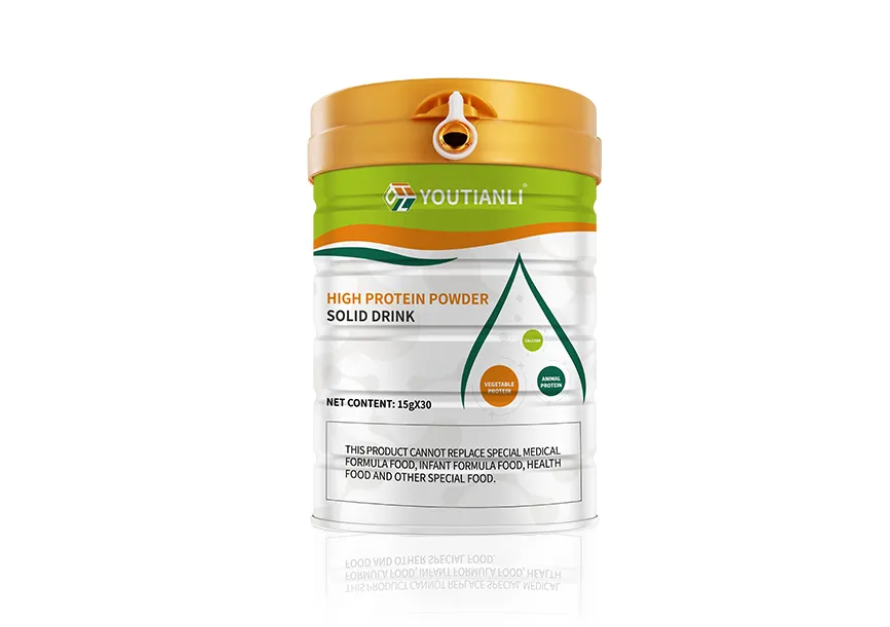
Msingi wa Fisiolojia: Kwa Nini Mchanga wa Kalshiamu wa Afya ya Mifupa ya Watu Waumia Unapaswa Kuwasiliana na Upungufu wa Ukimbia wa Umri-Maalum?
Kwa watumiaji wanaopita miaka 50, mwili wao huanza kushughulikia kalsiamu kwa njia tofauti kwa sababu ya mambo mawili muhimu. Kwanza, uzalishaji wa asidi ya mfumo wa uchunguzi unapungua, ukifanya iwe ngumu zaidi kwa mwili kugawanya suplementi za kalsiamu karboneti. Wakati huo huo, misuli huanza kupoteza densiti zaidi kuliko inavyoweza kujengwa upya. Matokeo? Densiti ya minerali ya misuli huanguka kwa wastani ya 1% kila mwaka baada ya kufikia miaka 50, ambayo inamaanisha kuwa uvimbe huwa na uwezekano mkubwa zaidi. Hii ndiyo sababu halisi kwa nini unga wa kalsiamu ulioandaliwa hasa kwa wazee unahitaji uundwa maalum ili kushughulikia mabadiliko hayo ya asili katika jinsi mwili wa wazee unavyojumuisha virutubisho.
Mabadiliko ya Ujengaji Upya wa Misuli na Utafiti wa Asidi ya Mgongo Baada ya Miaka 50
Kati ya watu wazee, takriban asilimia 30 hadi 40 hukumbwa na achlorhydria, ambayo inaweka mgogoro mkubwa kwa uwezo wa miili yao kuvunja na kumshika kalsiamu kutoka kwa madhumuni ya karboneti. Wakati mmoja, viwango vya hormoni vinabadilika kwa kuongezeka kwa umri. Wanawake mara nyingi hana viwango vya estrogen vya chini, wakati wanaume wanapata upungufu wa testosterone. Mabadiliko haya ya hormoni yanaharakisha shughuli za osteoclast, kwa kiasi kikubwa kusababisha mfupa kuvunjika haraka zaidi kuliko kujengwa upya. Kwa sababu ya hii, kalsiamu ya citrate inakuwa chaguo bora kwa watu wazee wengi. Toa kalsiamu ya citrate haifai amani ya asidi ya mfumo wa uvunaji kufanya kazi vizuri, tofauti na toa za kalsiamu za kawaida. Hii inamaanisha kwamba inashikwa kwa usawa hata pale ambapo kiwango cha asidi ya mfumo wa uvunaji ni chini kwa kawaida kwa watu wazee.
Dawali Bora ya Kalsiamu ya Msingi: 500 mg Kwa Kila Dau, Jumla ya 1,200 mg Kwa Siku
Mwili hauwezi kumshika kalsiamu zote unapochukua zaidi ya takriban 500 mg kwa mara moja kwa sababu mfumo wetu wa kawaida wa kumshika unadhoofika. Kwa watu wazima zaidi ya miaka 50 wanaohitaji takriban 1,200 mg kila siku kulingana na maelekezo ya daktari, kugawanya uchukuzi wa kalsiamu unafanya tofauti halisi. Utaratibu wa utafiti unaonyesha kwamba kugawanya jumla ya kiasi hicho katika vipindi viwili au hata vitatu vya ukubwa mdogo husaidia kudumisha kiwango cha kalsiamu katika damu kote siku. Mbinu hii pia inapunguza kiasi cha kalsiamu kinachotupwa nje kupitia mchanganyiko, ambacho maana yake ni kwamba wingi zaidi linabaki katika mfupa ambapo unahitajika zaidi. Watu wazima wengi wanapata kwamba mbinu hizi ya kugawanya dosi zinafanya kazi bora zaidi na supulemeni za kalsiamu zilizoundwa hasa kwa ajili ya mahitaji ya afya ya mfupa kwa watu wazima.
Uchaguzi wa Fomu ya Kalsiamu: Citrate Badala ya Carbonate kwa Afya ya Mfupa ya Watu Wazima Kwa Uaminifu – Uwezekano wa Kalsiamu ya Pulini
Kwa Nini Kalsiamu ya Citrate Inashindwa Katika Mazingira ya Asidi Ndogo (k.m., Achlorhydria, Matumizi ya PPI)
Kalsiamu karboneti inahitaji asidi ya mfumo wa uchunguzi ili kusuluka vizuri, ambayo ina maana kwamba siyo ya kufaisha kwa wazee wanao na kiwango cha chini cha asidi ya mfumo wa uchunguzi kutokana na umri au watu wanaotumia inhibitors za pompa ya proton (PPIs). Kalsiamu sitreiti inafanya kazi kwa njia tofauti. Ina uwezekano wa kufanikiwa wa kuhusiana na mwili (bioavailability) wa takriban 24% bila kujali kiwango cha pH. Ingawa sitreiti ina kalsiamu ya kipekee (elemental calcium) kidogo zaidi (takriban 21%) kuliko karboneti (40%), hata hivyo inatoa kalsiamu zaidi ya kufaa kwa kila dosi unapotazama jinsi ya uchunguzi wa wazee unavyofanya kazi. Utaratibu wa utafiti wanaonyesha kwamba usafirishaji wa sitreiti unafanyika kwa kiwango cha 0.45 hadi 0.50 gramu kwa litri hata kwa watu wenye asidi ya mfumo wa uchunguzi ya chini. Wakati huo huo, usafirishaji wa karboneti unapungua hadi 60%. Watafiti wamethibitisha hii katika utaratibu wao uliochapishwa katika American Journal of Clinical Nutrition.
Utekelezaji wa Masharti ya USP-NF na Maoni ya Ustawi kwa Uzalishaji wa Miongozo ya OEM
Wafanyabiashara wanao uzalishaji wa vifaa vya asili wanahitaji kufuata viwango vilivyowekwa na United States Pharmacopeia National Formulary (USP NF) kuhusu mambo kama vile utambulisho, kiwango cha utafutaji, vipimo vya nguvu, na uwezekano wa kusagurika kwa bidhaa. Unapochunguza aina mbalimbali za kalsiamu, citrate inatofautiana kwa sababu inabaki ya kudumu katika miksheni ya unga mchanga bila kujaza upepo mingi. Hii inamfanya kuwa bora kuliko chaguo za carbonate ambazo mara nyingi zinakusanyika pamoja na kuharibika kwa muda mrefu wakati wanaokuwa kwenye maduka. Mahitaji ya kujaribu ni pia ya kuzingatia mambo mengi sana. Wanajaribu metali nzito kulingana na sura za USP 232 na 233, wanafanya majaribio ya mikrobiolojia kama ilivyoelezwa katika sehemu za USP 61 na 62, na wanathibitisha kasi ya kusagurika kulingana na vitambo vya sura ya USP 711. Kwa yoyote kampuni inayozalisha supulemendi za kalsiamu hasa kwa afya ya mfupa kwa watu wazee, kupata wasifu kamili unaouonyesha kwamba wamekufuata mazoea bora ya uzalishaji (cGMP) siyo tu ya kushauriwa bali ni muhimu sana. Bila rekodi za kutosha, hakuna njia ya kuhakikisha kwamba bidhaa inabaki ya kufanya kazi vizuri, inabaki ya salama kwa kunywa, au inatoa kiasi cha vinywani vyenye faida kwa mwili baada ya kuingia ndani yake.
Uingiziano wa Vitamini Pamoja na Usalama: Kujenga Formula ya Mafuta ya Kalisiamu ya Afya ya Mifupa ya Watu Wa Umri Mrefu Iliyothibitishwa Kliniki
Ushirikiano wa Vitamini D3 na K2-MK7: Vipimo Vilivyothibitishwa Kwa Utafiti kwa Kutumika Bora zaidi ya Kalisiamu
Kwa wazee wanaotaka kudumisha mifupa ya nguvu, viwango vya kalsiamu vinahitaji zaidi ya kalsiamu pekee. Ushangiliaji wa kweli huja wakati vitu hivyo vinaunganishwa na virutubisho maalum vinavyofanya kazi pamoja. Vitamini D3 husaidia mwili kujaza kalsiamu kutoka kwa chakula kupitia utumbo, ikiwa K2-MK7 inafanya kazi tofauti kwa kusimamia protini inayoitwa osteocalcin. Protini hii inafanya kama mfumo wa usafirishaji, ikiongoza kalsiamu kuunda mifupa ya nguvu badala ya kuisheleza mahali ambapo haipaswi, kama vile katika mishipa. Utaratibu uliochapishwa mwaka jana ulionyesha kuwa uunganisho wa vitamini hivi katika asilimia ya 1,000 IU ya D3 kwa 100 mcg ya K2-MK7 unatoa tofauti ya kuzungumziwa kwa watu wanaodharauliwa na osteoporosis. Majaribio ya kliniki yalionyesha kuwa watumiaji walipata ongezeko la takriban asilimia 1.8 ya ukubwa wa mifupa kila mwaka kuliko wale wanaotumia kalsiamu pekee, pamoja na upungufu mkubwa wa ujenzi wa hatari katika mishipa. Kwa sababu K2-MK7 inaweza kuharibika rahisi wakati inapopatikana na asidi ya tumbo au hewa, watazamishi mara nyingi huyabainisha unga huu kwa njia maalum ili liweze kudumu hadi kufikia sehemu sahihi ya mfumo wa ujauzaji kwa faida kubwa zaidi.
Uchunguzi wa Metali Njema (USP <2040>) na Mipaka ya Utaalamu kwa Ajili ya Uthibitisho wa Ubora wa Watawala wa Uzalishaji
Kuchunguza vifaa vya uchafuzi ni muhimu sana katika viungo vya kusaidia wazee, kwa sababu miili yao huweka vichafuzi kwa miaka mingi na hawawezi tena kushughulikia vitu hivi kwa ufanisi. Kulingana na Sura ya Jumla ya USP ya nambari 2040, wazalishaji wanahitaji kufanya majaribio ya ICP-MS hasa kuhusu kiwango cha ubongo, kadimi na arseniki kwa kutumia mbinu zilizothibitishwa vizuri na zilizopangwa kwa uangalifu wa uwezekano wa kugundua. Ingawa FDA na USP zinaweka vipimo vinavyofanana lakini tofauti kuhusu kiwango kinachokubalika, tofauti moja muhimu inaonekana: Sura ya USP ya nambari 2040 inaweka mipaka maalum ya kiwango cha vyanzo hivi vya madhara vinavyoweza kuwepo kila siku kabla ya hatua yoyote kuchukuliwa.
| Kontaminati | Mipaka ya FDA (ppm) | Mipaka ya Kitendo cha USP <2040> |
|---|---|---|
| Risasi | 0.5 | 1.0 µg/kila siku |
| Kadmiamu | 0.09 | 0.5 µg/kila siku |
| Asi | 0.15 | 1.5 µg/kila siku |
Watengenezaji wanahitaji kuangalia kila kundi la bidhaa badala ya kuangalia tu malighafi kwa sababu metali fulani nzito huwa hujikusanya kwenye mifupa baada ya muda, jambo ambalo huwaweka wazee katika hatari maalum. Kupata vyeti vya watu wengine kama NSF/ANSI 173 hutoa nyaraka halisi zinazoonyesha kuwa wanafuata sheria za usalama. FDA imegundua kuwa karibu moja kati ya kila virutubisho vinane vya kalsiamu vinavyopatikana kibiashara vina risasi nyingi sana. Ndiyo maana kushikamana na kiwango cha USP 2040 si kitu ambacho makampuni yanapaswa kufanya kisheria tena, imekuwa muhimu kwa kujenga uaminifu miongoni mwa watu wanaojali afya zao za muda mrefu, hasa wazee wanaotumia virutubisho hivi mara kwa mara.
Maswali Yanayotuliwa (FAQ)
Kwa nini kalsiamu ya sitrate inapendelewa kuliko karboneti kwa wazee?
Kalsiamu ya sitrate inapendelewa kwa wazee kwa sababu haiahitaji asidi ya mfumo wa uvundo kwa uchunguzi, ikawa ya kufaa kwa watu wazee wenye kiwango cha chini cha asidi ya mfumo wa uvundo au wale wanaotumia inhibitors za pompa ya proton (PPIs).
Jinsi ya kutoa mafungu ya calcium kwa njia ya kuboresha uchukuzi?
Kuchukua calcium kwa dosi ndogo hufanya uchukuzi kuwa bora zaidi. Kwa wazee, ni faida kugawanya uchukuzi katika dosi mbili au tatu ndogo katika siku nzima.
Nini kazi ya Vitamin D3 na K2-MK7 katika uchukuzi wa calcium?
Vitamin D3 husaidia uchukuzi wa calcium kutoka kwenye utumbo, na K2-MK7 husaidia kumweka calcium kwenye mfupa badala ya tishu za soft kama vile mishipa.
Kwa nini utajuzi wa metali ya kizuri unahitajika katika mafungu ya calcium kwa wazee?
Wazee wanaweza kusambaza sumu kwa muda mrefu, kwa hivyo ni muhimu kufanya utajuzi wa mafungu ili kuhakikisha kwamba hayana viwango vya hatari vya metali ya kizuri kama vile uradi, kadmi na arseniki.
Orodha ya Maudhui
- Msingi wa Fisiolojia: Kwa Nini Mchanga wa Kalshiamu wa Afya ya Mifupa ya Watu Waumia Unapaswa Kuwasiliana na Upungufu wa Ukimbia wa Umri-Maalum?
- Uchaguzi wa Fomu ya Kalsiamu: Citrate Badala ya Carbonate kwa Afya ya Mfupa ya Watu Wazima Kwa Uaminifu – Uwezekano wa Kalsiamu ya Pulini
- Uingiziano wa Vitamini Pamoja na Usalama: Kujenga Formula ya Mafuta ya Kalisiamu ya Afya ya Mifupa ya Watu Wa Umri Mrefu Iliyothibitishwa Kliniki
- Maswali Yanayotuliwa (FAQ)