
 EN
EN




Understanding Plant-Based Meal Replacement Powders and Weight Loss Science
What Is a Plant-Based Meal Replacement Powder?
Meal replacement powders based on plants pack a lot of nutrients into each scoop, typically coming from ingredients such as pea protein, brown rice, and sometimes hemp. These products give people the building blocks their bodies need including amino acids and dietary fiber, plus they cut out those saturated fats we find in meat-based options. According to a study published in 2025 conducted by top nutrition scientists across several universities, around three quarters of participants associated eating more plant proteins with losing weight. The reason? Plant proteins generally contain fewer calories per gram compared to animal sources, plus they seem to help regulate metabolism better over time according to some preliminary findings.
How Do These Powders Support Weight Management?
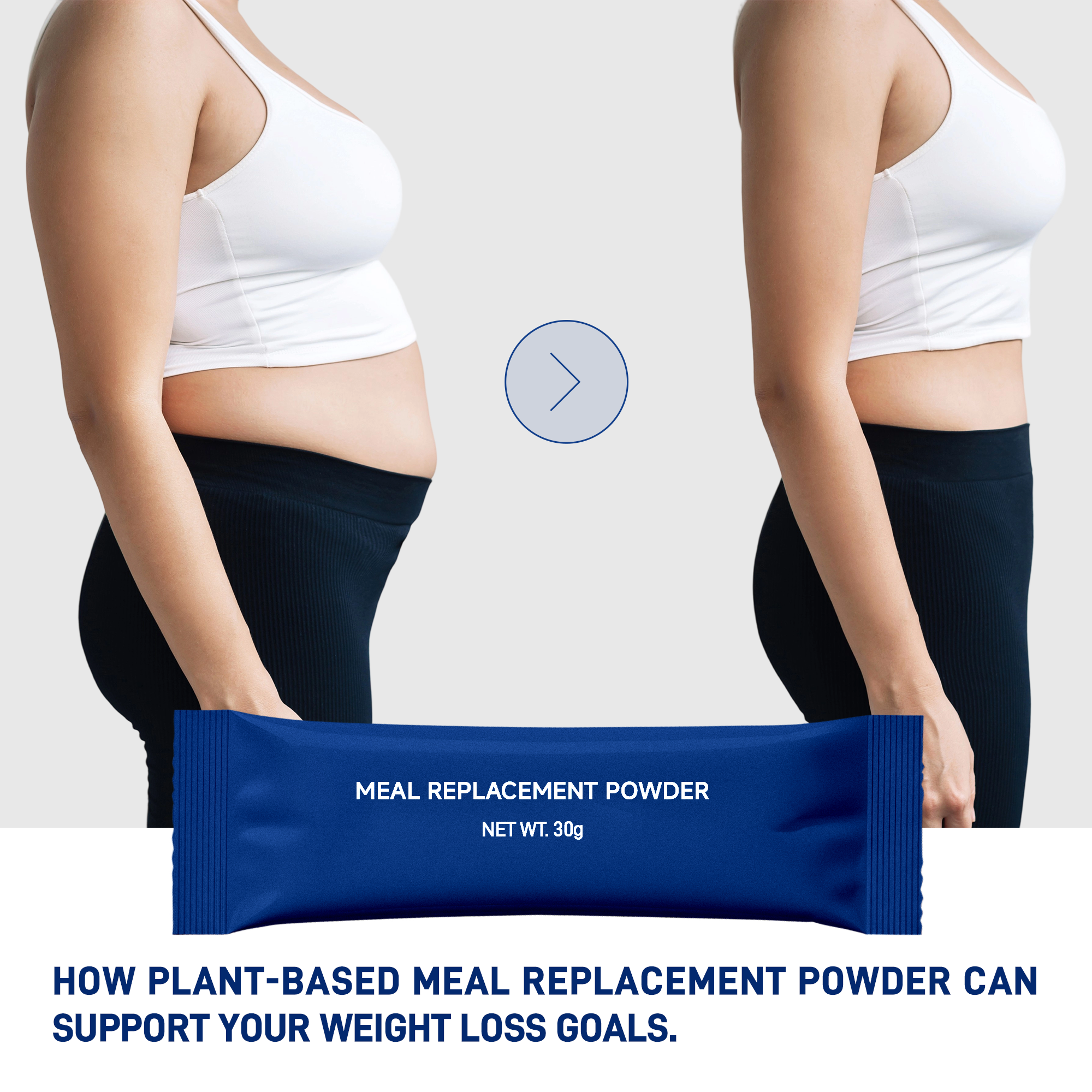
These powders support weight control through standardized servings (typically 150–250 calories), reducing the risk of overeating. With 15–25g of protein per serving, they stimulate satiety hormones and help curb snacking. A peer-reviewed study showed individuals using plant-based meal replacements consumed 23% fewer daily calories on average than those on unstructured diets.
The Role of Calorie Deficit in Sustainable Weight Loss
These powders help people achieve real long term results by creating a calorie deficit that's actually safe while still getting all the necessary nutrients. Studies have found that most people end up cutting around 500 calories per day with this approach, which matches what experts recommend for healthy weight loss. What sets this apart from other methods is how well it protects muscle mass compared to just cutting food intake drastically. A recent study published last year showed that folks using this method kept about 89 percent of their muscle even as they lost weight, something that doesn't happen with many traditional diets.
Key Benefits of Plant-Based Meal Replacement Powders for Weight Control
Controlled Portions and Reduced Daily Calorie Intake
The plant based powders come already measured out, cutting down on calories by about 40 to 55 percent compared to regular food portions. Research published last year in Frontiers in Endocrinology showed something interesting too people who used these products actually had a 34 percent lower chance of eating too much when compared against folks following standard diets. What makes this approach work so well is how it keeps calorie intake steady throughout the day. Someone managing to slash just 15 percent from their daily total could realistically lose between one and one and a half pounds each week without having to constantly count every single bite they eat.
Balanced Macronutrients and Long-Lasting Satiety
These shakes contain slow digesting plant proteins along with complex carbohydrates and good fats which help keep blood sugar levels steady for around four to six hours after consumption. Research indicates that getting between twenty and twenty five grams of plant based protein in each serving can actually increase those fullness hormones such as GLP 1 by nearly thirty percent when compared to what comes from animals. According to recent market analysis on plant proteins, advances in how we process them now preserve important fibers and phytonutrients needed for managing hunger signals in our bodies. This addresses older worries about plant proteins not being complete sources of nutrition anymore.
Convenience and Consistency in Weight Loss Routines
Around two thirds of people who have successfully lost weight report that using pre-measured powder supplements helps them avoid the mental exhaustion that comes with deciding what to eat each day. Most users find they spend roughly 45 extra minutes every day preparing meals, yet still manage to track their nutritional intake accurately something most traditional diet plans just cant match. What makes these products stand out even more is how well they work when life gets busy or stressful. Research shows folks are about 40 percent more likely to slip back into old habits during tough times, but many dieters say these ready made options keep them on track exactly when they need it most.
Evaluating the Nutritional Quality of Plant-Based Protein Sources
Common Plant-Based Proteins: Pea, Rice, Hemp, and Soy
Today's protein powders come from some pretty good sources actually. Pea protein packs around 80 to 85 percent protein content, rice gives us about 75 to 80 percent, hemp offers roughly half that amount plus those valuable omega-3 fatty acids, and soy is right up there at nearly 90 percent protein. According to research published in Scientific Reports back in 2025, pea protein manages about 82% digestibility when used in actual foods. That's not quite as good as what we see with animal proteins, but definitely better than most other plant based alternatives out there. Soy stands out because it contains all nine essential amino acids our bodies need. For folks who prefer plant proteins but want complete nutrition, mixing pea with rice works well since each makes up for what the other lacks in terms of amino acid profile.
Comparing Protein Content and Amino Acid Profiles
| Protein Source | % Protein Content | Limiting Amino Acid | Complementary Pairing |
|---|---|---|---|
| Pea | 80-85% | Methionine | Rice (high in methionine) |
| Rice | 75-80% | Lysine | Pea (lysine-rich) |
| Hemp | 45-50% | Lysine | Soy or pumpkin seeds |
Strategic blending enables plant-based powders to achieve PDCAAS scores comparable to whey when properly formulated.
Digestibility and Bioavailability of Plant Proteins
Plant proteins contain phytates that can cut down on mineral absorption somewhere around 10 to 25 percent, though modern processing methods tend to minimize this effect quite a bit. According to a recent study published in Frontiers in Nutrition back in 2025, when they ferment pea protein, it actually boosts iron availability by about 30%. And get this - hydrolyzed rice protein manages an impressive 91% digestibility rate. Now while most plant based proteins sit roughly 10 to 15% behind dairy in terms of how well our bodies absorb them, there's good news for those who eat lots of plants. Simply combining these proteins with foods rich in vitamin C can significantly improve iron uptake, sometimes as much as 67% better absorption. That makes a real difference for anyone relying heavily on plant sources for their daily nutrients.
Addressing Common Concerns About Processing and Long-Term Use
Are Plant-Based Meal Replacement Powders Too Processed?
Most powders undergo processing to concentrate nutrients, but this doesn’t diminish their value. Techniques like cold-pressing and spray-drying preserve up to 90% of vitamins and minerals (Nutrition Journal 2022). To ensure quality, choose products with:
- Minimally processed bases (e.g., whole oat flour instead of maltodextrin)
- No artificial sweeteners or colors
- Third-party certifications for non-GMO and low heavy metals
A 2023 analysis of 40 products revealed that 62% use processing similar to homemade smoothie preparation—just at scale—making them suitable for regular use without replacing whole foods entirely.
How to Safely Incorporate Them Into a Whole-Foods Diet
Use plant-based powders as supplements, not full meal substitutes, for sustainable results. Experts recommend:
- Replacing one meal daily—typically breakfast—while eating vegetable-rich lunches and dinners
- Adding fresh produce like spinach or berries to increase fiber
- Tracking total protein intake (aim for 1.6g/kg body weight) to avoid overdependence
A 2023 Behavioral Nutrition Study found participants following this hybrid approach maintained 12% better long-term weight loss outcomes than those relying only on shakes. Consult a dietitian if using replacements beyond three consecutive months to assess micronutrient status and adjust your dietary plan appropriately.
FAQ
Are plant-based meal replacement powders suitable for everyone?
Plant-based meal replacement powders are generally suitable for most people, but it's always best to consult with a healthcare provider, particularly for individuals with specific dietary needs or allergies.
How often can I consume plant-based meal replacement powders?
These powders can be consumed regularly, often replacing one meal a day as part of a balanced diet. However, it's recommended to avoid relying solely on them for nutritional needs.
What should I pair with plant-based meal powder for a balanced diet?
Pair these powders with whole foods such as fruits, vegetables, and grains to ensure you're receiving a full range of nutrients.