
 EN
EN

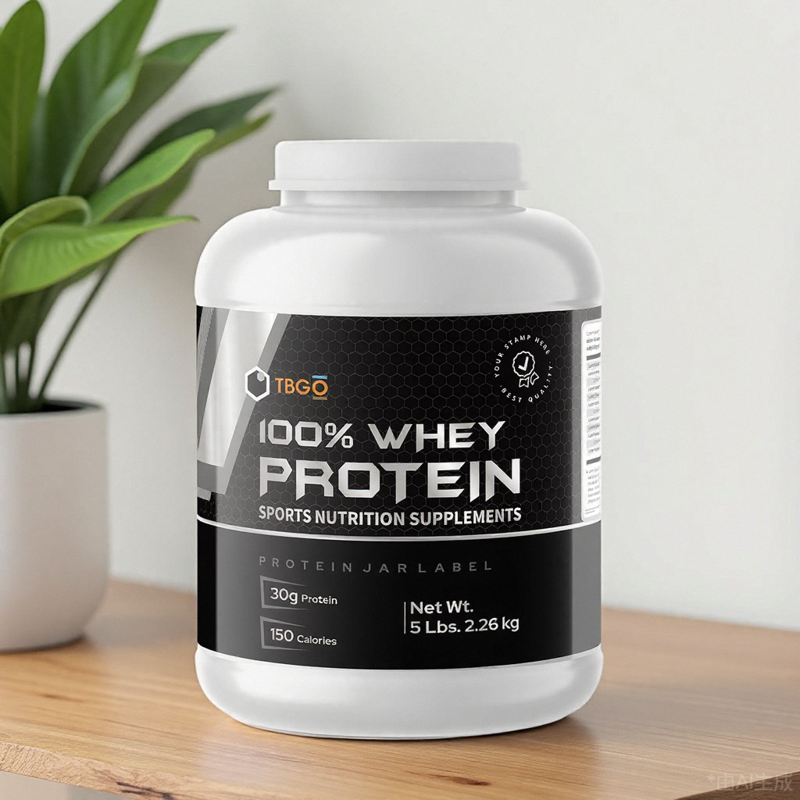



What Defines True Whey Protein Isolate Powder
Protein purity: Why 90% protein content and <1% lactose are non-negotiable
Real whey protein isolate needs to have at least 90% protein content while keeping lactose below 1%. These standards are set by organizations like the International Dairy Federation and strictly followed in products carrying the NSF Certified for Sport certification. To reach such high purity levels, manufacturers rely on cutting edge microfiltration technology that effectively strips away unwanted fats, carbs, and leftover milk sugars without damaging the delicate protein structures. People who struggle with lactose intolerance often experience digestive issues when consuming anything over that 1% threshold, something backed up by recent studies from the Journal of Sports Science in 2023. When protein concentration drops below these ideal levels, it means fewer essential amino acids per serving, especially leucine. This matters because lower leucine intake translates to weaker mTOR activation signals in the body, ultimately slowing down how efficiently muscles rebuild themselves after workouts.
Superior digestibility and DIAAS 1.09 — what high bioavailability means for muscle recovery
Whey protein isolate gets a top score on the DIAAS scale at 1.09, which is actually the highest possible rating according to the FAO. What does this mean? Simply put, our bodies absorb almost all nine essential amino acids from this form of whey. When we look at how it works inside the body, the stuff moves through the stomach quickly and gets absorbed in the intestines fast too. Plasma amino acid levels hit their peak around 30 to 45 minutes after someone takes it. This quick action helps activate those important satellite cells and cuts down on oxidative stress markers after workouts. And real world results back this up. Athletes who stick with verified isolates notice recovery happens much sooner than with other forms. Plus there are about 23 percent fewer stomach issues reported when compared to people taking regular whey concentrates, according to research published in the Journal of Sports Science last year.
Processing Methods That Preserve Whey Protein Isolate Powder Integrity
Cold-filtered microfiltration vs. ion exchange: impact on native protein structure and bioactive peptides
How whey protein isolate is processed really determines if it keeps all those important functions intact. With cold filtered microfiltration, they use low temperature ceramic membranes to separate out the proteins. This process helps keep the proteins in their natural shape, maintains those crucial disulfide bonds, and actually preserves over ninety percent of the original bioactive compounds found in milk. We're talking about stuff like immunoglobulins, lactoferrin, and glycomacropeptides here. On the flip side though, ion exchange works differently. It involves drastic changes in pH levels plus chemical resins that basically mess up the protein structures. These harsh conditions break down sensitive amino acids such as glutamine and cysteine too. What's left behind after this treatment? Less than sixty percent of those valuable bioactive peptides compared to what was originally there.
| Method | Protein Structure Preservation | Bioactive Peptide Retention | Processing Impact |
|---|---|---|---|
| Cold Microfiltration | Maintains native conformation | 85–95% retention | Minimal denaturation |
| Ion Exchange | Alters folding patterns | <60% retention | High chemical exposure |
The structural integrity preserved by microfiltration directly supports biological activity: intact cysteine residues enable proper disulfide bridging critical for muscle repair signaling, while retained lactoferrin enhances iron bioavailability and immune modulation—key advantages lost in ion-exchanged isolates.
Third-Party Verification and Label Transparency for Whey Protein Isolate Powder
NSF Certified for Sport® and Informed Choice: why certification matters more than marketing claims
Only NSF Certified for Sport and Informed Choice require actual testing at the batch level for all sorts of stuff like banned substances, heavy metals such as lead, cadmium and arsenic, plus check for microbes and verify what's actually on the label. This matters because there's a real problem in the industry right now. According to a study from the Ponemon Institute last year, nearly 56 percent of supplement labels have major inaccuracies. That adds up to around $740k lost each year by people buying supplements that either don't work or aren't what they claim to be. Regular marketing claims about being "pure" or "premium" just aren't enough anymore. With NSF and Informed Choice, manufacturers can show actual evidence that each scoop contains exactly what appears on packaging. No surprises here folks - no secret fillers creeping in, no unwanted additives, nothing varies between batches.
Spotting red flags: proprietary blends, undeclared fillers, and inconsistent batch testing
Three key warning signs indicate compromised quality in whey protein isolate powder:
- Proprietary blends: Conceal individual ingredient dosages, making it impossible to verify clinically effective amounts of whey isolate or added enzymes.
- Undeclared fillers: Ingredients like maltodextrin, dextrose, or free-form amino acids inflate total nitrogen readings—artificially inflating reported protein content without delivering functional protein.
- Inconsistent or absent batch testing: Reputable manufacturers publish Certificates of Analysis (CoAs) for every production batch, confirming protein %, lactose %, heavy metal limits, and microbiological safety. Without publicly available, lot-specific CoAs, purity claims remain unverifiable.
How Whey Protein Isolate Powder Compares to Alternatives
Whey protein isolate really sets itself apart from other forms because it combines high purity, fast absorption, and all the essential amino acids in one package. When we look at regular whey concentrate which has around 70-80% protein and 4-7% lactose, isolate comes in at over 90% protein with less than 1% lactose. That makes it work well for people who are sensitive to lactose without cutting down on muscle building benefits. Hydrolyzed whey might absorb slightly quicker, but it breaks down the natural protein structure and loses those important bioactive components. The predigested peptides just don't have the same immune support and antioxidant properties found in cold filtered isolate. Plant based options like soy, pea or rice proteins typically score lower on DIAAS ratings (usually between 0.7 and 0.9). They also digest more slowly and miss out on enough leucine to properly trigger muscle growth after workouts. Studies back this up too. People using isolate see about 18% faster muscle repair after exercise compared to casein according to research published in Nutrition Research Reviews last year. Plus they tend to have fewer stomach issues than those taking concentrates, which is why many athletes consider isolate their go to choice for getting results while staying comfortable.
FAQ
What is the minimum protein content for true whey protein isolate?
True whey protein isolate must have at least 90% protein content with less than 1% lactose.
Why is microfiltration preferred over ion exchange in processing whey protein isolate?
Microfiltration is preferred because it maintains native protein structures and retains up to 95% of bioactive peptides, whereas ion exchange alters protein structures and retains less than 60% of bioactive peptides.
What certifications ensure the quality of whey protein isolate?
The NSF Certified for Sport® and Informed Choice certifications ensure quality by requiring batch-level testing for contaminants and verifying label accuracy.
How does whey protein isolate compare to whey concentrate?
Whey protein isolate offers over 90% protein and less than 1% lactose, whereas whey concentrate has 70-80% protein and 4-7% lactose, making isolate more suitable for lactose-sensitive individuals.