
 EN
EN





The Science Behind Maternal and Infant Nutrition Formula Powder
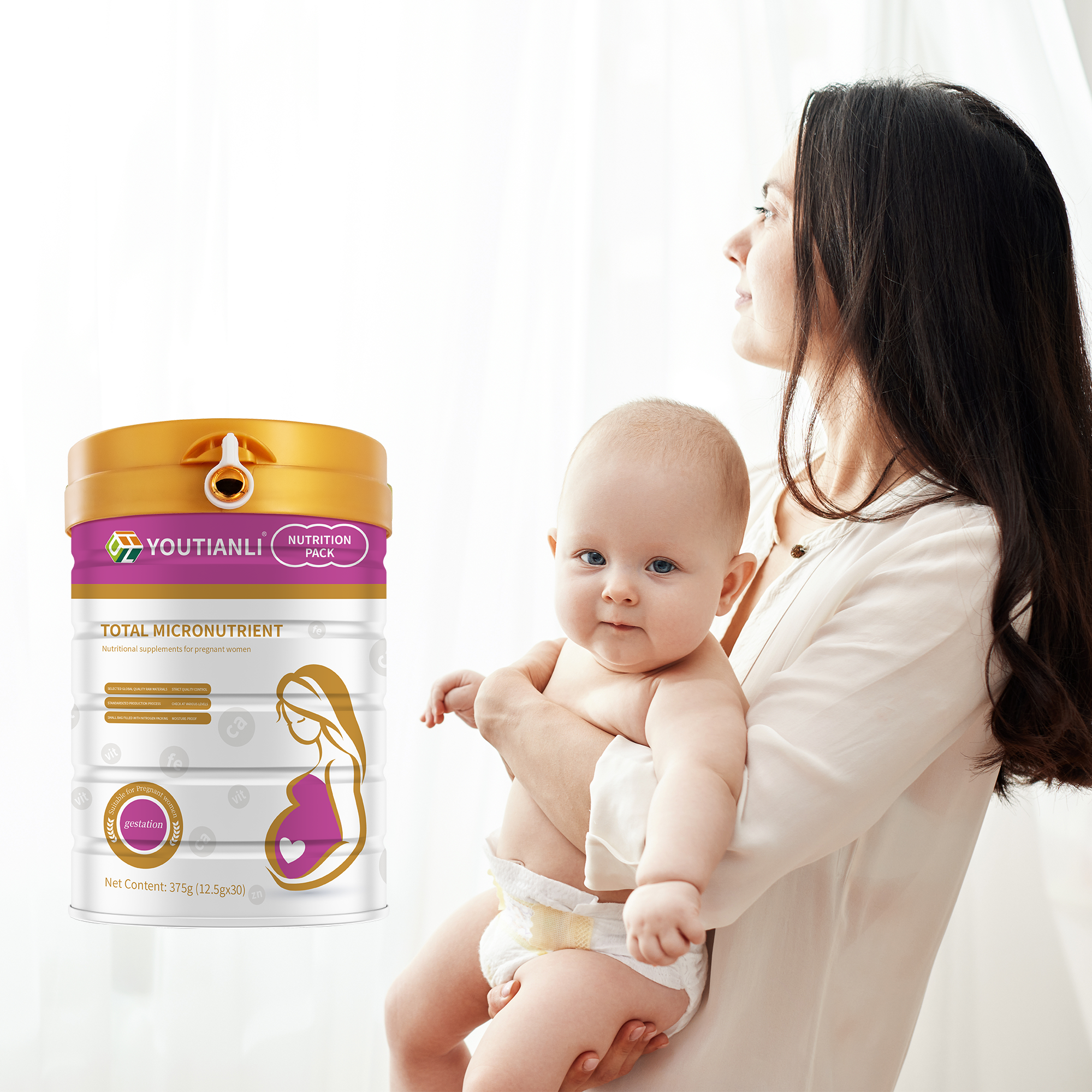
Maternal and infant nutrition formula powders bridge critical nutritional gaps by combining essential micronutrients with bioavailable compounds. These scientifically formulated products mirror human milk’s functional components while addressing modern dietary challenges across pregnancy and infancy.
Key Micronutrients in Prenatal Health: Folate, Iron, and Vitamin D
Most prenatal vitamins contain around 600 micrograms of folate which helps stop those serious neural tube problems, plus about 27 milligrams of iron needed because pregnant women's blood volume goes up nearly half during gestation. The recommended daily dose of vitamin D is set at 600 international units, and research from Frontiers last year showed this amount boosts how much calcium gets moved through the placenta by almost half, which obviously matters for baby's bones developing properly. When mothers lack these essential nutrients, studies indicate they face roughly 30 percent greater chances of going into labor too early worldwide. That makes sense when we think about what happens if the body doesn't get enough of these basics while growing another human inside.
Omega-3, Vitamin B12, and Zinc: Supporting Fetal Brain and Organ Development
Advanced formulas replicate breast milk’s 21.1% polyunsaturated fatty acid (PUFA) profile to promote neural development (LipidWorld 2024). Clinical evidence shows that maternal intake of 2.6 µg vitamin B12 and 11 mg zinc improves fetal neurodevelopmental outcomes by 38%, especially among women following plant-based diets.
Nutrient Transfer Through the Placenta: How Maternal Intake Shapes Fetal Growth
The placenta actively transports 60% of maternal iron and 85% of iodine to the developing fetus. Studies confirm that mothers consuming adequate choline (450 mg/day) give birth to infants who demonstrate 25% faster memory processing speeds by six months of age.
Synthetic vs. Natural Nutrients: Efficacy and Safety in Maternal Formula Powders
Although natural nutrients offer 15–20% higher bioavailability, synthetic forms ensure consistent dosing and shelf stability. FDA evaluations indicate over 90% of synthetic iron and folate in prenatal formulas meet absorption standards without causing significant gastrointestinal side effects (TechTarget 2024).
Optimizing Maternal Nutrition During Pregnancy and Lactation
Dietary and Caloric Needs for Expectant Mothers
During the second and third trimesters, pregnant women typically need around 340 to 450 extra calories each day, while their protein intake should hit about 71 grams daily to help build all those growing tissues in the baby (as reported by National Academies back in 2023). Eating plenty of leafy vegetables, beans, and whole grains that have been fortified can really help cover the increased calcium needs of 1,300 milligrams per day plus get enough vitamin C, which sits at 85 mg as a target. When expecting mothers stick to well rounded meals instead of going for junk food most days, research shows they actually cut down their chances of developing gestational diabetes by roughly 28 percent and lower the likelihood of giving birth early by approximately 19 percent. These numbers make sense when we think about how proper nutrition supports both mother and child throughout pregnancy.
Bridging Gaps with Prenatal Supplements and Maternal Formula Powder
Well balanced diets still miss out on enough iron for many people. About one third of pregnant women around the globe struggle with iron deficiency, which can lead to anemia problems according to World Health Organization data from last year. Prenatal formulas typically contain between 18 to 22 milligrams of iron plus around 600 micrograms of folic acid in each dose, meeting what doctors recommend to help prevent those serious birth defects in babies' spinal cords and brains. Recent studies published in Frontiers in Nutrition back in 2025 showed something interesting too. When expecting mothers eat healthy foods along with taking their prenatal vitamins, babies tend to weigh about 12 percent more at birth, especially important in areas where resources are limited.
Postnatal Nutrition: Iodine, Choline, and B Vitamins for Breastfeeding Success
Lactation increases energy needs by approximately 500 kcal/day. Daily intake should include 290 mcg of iodine and 550 mg of choline to support infant brain development. Vitamin B12 (2.8 mcg/day) is crucial for maintaining milk quality, with deficiencies associated with 34% lower milk production in vegan mothers.
Plant-Based Diets and Nutritional Considerations for Vegan and Vegetarian Mothers
Plant based diets present challenges for pregnant women because nutrients aren't as easily absorbed from vegetables compared to meat sources. Vegetarian and vegan mothers actually need about 2.5 times the usual iron intake around 27 mg per day and roughly 50% more zinc than recommended at approximately 12 mg daily. A study published in The Lancet suggests combining legumes and nuts with formulas that contain added vitamin B12 between 4 to 7 micrograms per serving can really make a difference in preventing those developmental issues we worry about. For omega 3s, many turn to algal oil supplements providing somewhere between 200 to 300 mg of DHA each day, while calcium set tofu remains a solid option too. These approaches let people stick to their dietary preferences while still getting all the necessary nutrients during pregnancy.
Designing Infant Formula Powder to Match Biological Needs
Protein, Fat, and Carbohydrate Balance in Infant Nutrition Formulas
Baby formulas try to copy the composition of breast milk, which has roughly 60% carbs, 35% fat, and 5% protein. The lactose content is important for brain growth, and those MCTs provide quick energy that babies can digest easily. Most formulas mix whey and casein proteins in about a 60-40 split, similar to what's found in breast milk, so they digest well and keep going longer between feedings. For babies who might have allergies, there are special formulas with broken down proteins that seem to cut allergy problems by around 40% according to some studies, though results can vary from one child to another.
Tailoring Formula for Preterm and Low-Birth-Weight Infants
Preterm infants need higher-calorie formulas (22–24 kcal/oz versus 19–20 kcal/oz for full-term babies) and enhanced calcium-to-phosphorus ratios to support rapid bone growth. Fortification with DHA and ARA improves neurological outcomes by 15%, according to a 2023 meta-analysis. Extensively hydrolyzed protein formulas also minimize adverse reactions in infants with milk protein sensitivities.
Feeding Guidelines and Nutritional Requirements for Full-Term Infants
Full-term infants require 2.1–3 g/kg/day of protein and iron levels between 0.27–12 mg/L. The CDC recommends preparing formula with water heated to ≥70°C (158°F) to reduce bacterial contamination, then cooling it to 37°C before feeding. Lactose-dominant formulas enhance calcium absorption by 30% compared to those based on corn syrup.
Clinical Evidence and Global Applications of Maternal and Infant Nutrition Formula Powder
Research published in 2023 by the Journal of Pediatric Gastroenterology and Nutrition shows that when mothers take nutrition formula powders during pregnancy, it cuts down on low birth weights by around 22% for those living in areas where people don't get enough nutrients from food alone. Looking at data from 1,200 pregnant women tracked across three years, researchers noticed something interesting too. Women who regularly took supplements containing iron, folic acid, and formulas boosted with omega-3s saw their babies weighing about 15% more on average at birth. And there's another benefit worth mentioning. Babies whose moms used these special formulas tended to score better on developmental tests at 12 months old compared to babies in the control group.
Global Trends in Fortified Maternal Supplement Adoption
Maternal formulas with added nutrients are currently available in 78 different countries around the world. The growth has been especially noticeable in places like Southeast Asia, where usage jumped by 40% since 2020, and Sub-Saharan Africa saw an increase of about 28%. This trend aligns pretty well with World Health Organization guidelines suggesting pregnant women take extra vitamins when their regular food doesn't provide enough iron or vitamin D. According to research published last year in the Lancet Global Health journal, much of this success comes down to collaborations between governments and private companies. These partnerships help make the fortified products affordable for poorer households without compromising on quality control measures that ensure safety remains top priority.
Integrating Formula Powder into Public Health Nutrition Strategies
More countries are starting to include maternal and infant formula powders as part of their prenatal care programs these days. Take Brazil for example, where their First 1000 Days program cut down on newborn deaths by around 31%. They did this by giving away free formula packs loaded with nutrients like choline, iodine, and various B vitamins to mothers who were already breastfeeding. What these kinds of initiatives show is that formula powders serve purposes beyond just being a last resort for malnourished families. Even in places where people generally have enough to eat, these supplements can actually help prevent developmental problems in babies before they even become an issue.
FAQ
What are the essential nutrients found in maternal and infant nutrition formula powders?
These formula powders contain micronutrients such as folate, iron, vitamin D, omega-3 fatty acids, vitamin B12, zinc, iodine, and choline, which are vital for prenatal and postnatal health.
Why is maternal nutrition important during pregnancy and lactation?
Proper maternal nutrition is crucial to support fetal development and prevent complications such as preterm labor and gestational diabetes. Nutrient-rich diets ensure healthy growth for both the mother and the child.
What are the benefits of using synthetic nutrients in maternal formula powders?
Synthetic nutrients provide consistent dosing and shelf stability, meeting absorption standards and minimizing gastrointestinal side effects.
Table of Contents
-
The Science Behind Maternal and Infant Nutrition Formula Powder
- Key Micronutrients in Prenatal Health: Folate, Iron, and Vitamin D
- Omega-3, Vitamin B12, and Zinc: Supporting Fetal Brain and Organ Development
- Nutrient Transfer Through the Placenta: How Maternal Intake Shapes Fetal Growth
- Synthetic vs. Natural Nutrients: Efficacy and Safety in Maternal Formula Powders
- Optimizing Maternal Nutrition During Pregnancy and Lactation
- Designing Infant Formula Powder to Match Biological Needs
- Clinical Evidence and Global Applications of Maternal and Infant Nutrition Formula Powder