
 EN
EN




The Rise of Plant-Based Meal Replacement Powders in Modern Nutrition
Understanding the shift toward plant-based food consumption
The market for plant based foods is expected to jump about 58 percent by 2027 as more people look for options that don't come from animals according to Future Market Insights report from 2024. What's interesting though is this isn't just limited to strict vegans anymore. Around 63% of those who mostly eat meat but occasionally go plant based are actually adding these protein sources into their meals every week, mainly because they want better cholesterol levels and also care about reducing their carbon footprint. Studies have shown that going for more sustainable eating habits could cut down on farming related emissions by nearly half which explains why so many environmentally conscious folks are starting to switch over as per Frontiers in Food Science findings last year.
The role of functional foods in everyday nutrition
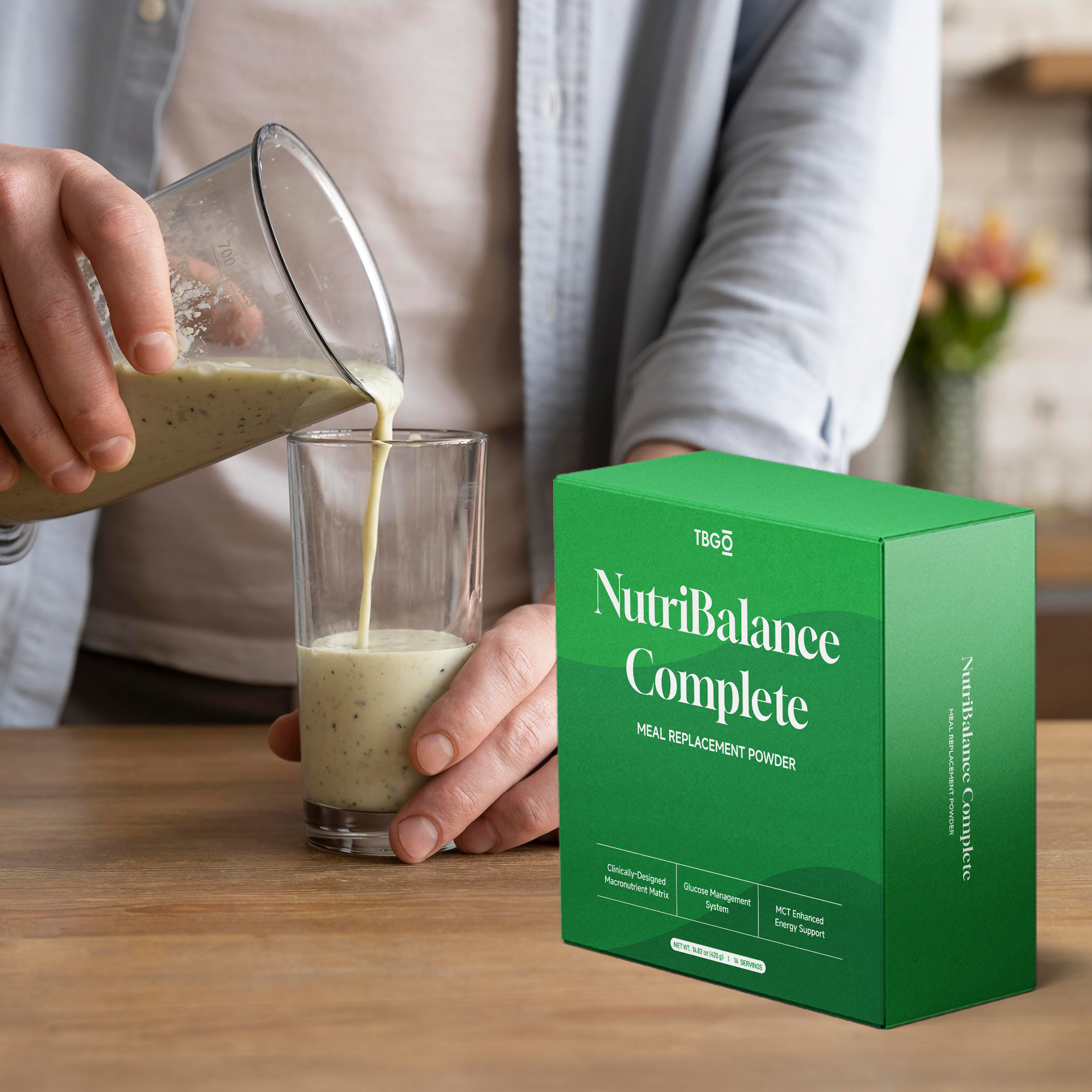
Meal replacement powders made from plants are catching on because people want something quick but still nutritious. These products pack all nine essential amino acids plus important vitamins, and they stay good on the shelf for ages. Around half of working folks say they just don't have time to eat properly during the day, so these ready-to-mix options fill those missing nutrients when lunch breaks get cut short. What makes them stand out isn't just calories though. Many brands throw in probiotics for gut health and antioxidants to keep energy levels steady throughout the day instead of that crash after coffee wears off.
Market trends supporting plant-based and alternative proteins
Alternative proteins have grown into a $15 billion market these days, and pea and soy proteins continue to push boundaries when it comes to how good they taste and what they feel like in the mouth. The Asia Pacific region makes up around 41 percent of all plant based food sales worldwide, which shows both better access to these products and changing attitudes about health prevention across cultures there. Clean label products have become really important lately too. Market research suggests that nearly 8 out of 10 people would actually spend extra money on items labeled non GMO or free from common allergens if given the choice.
Nutrient Density and the Advantages of Plant-Based Proteins
What Makes a Diet Nutrient-Dense?
When we talk about eating well, what we really mean is getting our money's worth from every bite. A good diet should pack plenty of vitamins, minerals, fiber, and those powerful antioxidants without loading us up with empty calories. That's where plant based meal replacements come in handy. These powders take things like oats, various seeds, and even some legumes and compress them into something easy to carry around. What makes these different from most meat based options? They actually keep all those good-for-you compounds found naturally in plants. Think about the stuff in dark chocolate that helps blood vessels or the golden pigment in turmeric that fights off inflammation at the cell level. These little powerhouses work behind the scenes to keep our bodies running smoothly.
Comparing Protein Quality in Plant-Based vs. Animal-Based Sources
Animal proteins come packed with all nine essential amino acids naturally, but mixing different plant sources such as pea, soy, and rice can actually match this nutritional completeness too. Some research from 2021 showed when people combine rice with pea protein, they get an amino acid profile just as good as what's found in whey protein. And there's another plus side to plant based options worth mentioning. Soy based protein powders give around 20 to 30 percent of the daily recommended amount for important minerals like iron and zinc something that many dairy based products simply don't deliver in these quantities.
Key Micronutrients in Plant-Based Meal Replacement Powder
These powders are frequently fortified with critical micronutrients for energy metabolism and immunity:
- Iron: Paired with vitamin C to enhance absorption
- Magnesium: Supports muscle function and blood sugar regulation
- B vitamins: Include bioavailable forms like methylcobalamin (B12)
According to the International Lipid Expert Panel, plant-based formulas reduce deficiencies in folate and potassium by 40% compared to standard Western diets.
Enhancing Nutrient Absorption Through Targeted Nutrition
Plant-based powders often combine nutrients to maximize uptake. For example, black pepper extract (piperine) increases curcumin bioavailability by 2000%. Prebiotic fibers in these blends also feed beneficial gut microbes, which help convert plant compounds into active forms—ensuring users derive optimal benefit from each serving.
Supporting Weight Management and Satiety with Plant-Based Formulas
The Science Behind Satiety and Plant-Forward Nutrition
Meal replacement powders made from plants tend to keep people feeling fuller for longer because they contain fiber that thickens in the stomach, proteins that signal the brain we're satisfied, and they slow down how fast food leaves the stomach. Research published back in 2020 looked at this phenomenon when comparing pea protein shakes to whey protein. People who drank the pea protein version said they felt significantly more full throughout the day compared to the whey group. The difference appears to come down to how slowly plant proteins release their amino acids into the system. Scientists believe this has something to do with plant proteins triggering certain gut receptors more effectively than animal proteins do.
Clinical Evidence on Weight Management & Nutritional Interventions
Controlled studies highlight tangible results:
- A 12-week intervention using rice and pea protein shakes reduced BMI by 1.3 points in obese adults versus isocaloric controls (PREDIMED-Plus 2019 data)
- At one-year follow-up, 78% of individuals using plant-based meal replacements maintained at least 5% weight loss, compared to 42% in standard diet groups
These outcomes stem from a dual advantage: sustained reduction in daily calorie intake (−19%) and improved postprandial glucose control.
Fiber, Protein, and Low Glycemic Impact: A Satiety Trifecta
Modern formulas integrate three key components:
- Fiber (6–12g/serving): Beta-glucans and guar gum form gels that slow digestion
- Protein (20–30g/serving): Blends of pea, brown rice, and pumpkin isolate achieve PDCAAS scores ≥0.8
- Low-GI carbohydrates: Tapioca maltodextrin and acacia fiber maintain steady energy release (glycemic load <10 per serving)
This trifecta extends intermeal intervals by an average of 38 minutes compared to conventional replacements, supporting long-term calorie management without hunger spikes.
Benefit Stacking: Maximizing Health Value in Plant-Based Meal Replacement Powder
Defining Benefit Stacking in Functional Foods
When it comes to getting maximum value from nutrition, benefit stacking is all about combining different nutrients that work well together in one product. This isn't just mixing random vitamins though. The real magic happens when certain combinations actually enhance each other's effects. Take vitamin C for instance, which can really boost how much iron our bodies absorb from plant sources, sometimes tripling absorption rates according to research from NIH back in 2022. These days, most shoppers are looking for food products that do more than one thing. Around 7 out of 10 people want something that supports at least three different aspects of their health. That explains why there's growing interest in formulas that tackle things like metabolism, digestive health, and brain function all at once.
Combining Plant-Based Proteins with Adaptogens and Superfoods
Leading plant-based powders now include adaptogens like ashwagandha and superfoods such as moringa, creating a nutrient matrix that:
- Reduces cortisol levels by 28% in stressed adults (Journal of Psychopharmacology 2023)
- Delivers 2.3 times more antioxidants than whey-based formulas
- Maintains amino acid bioavailability comparable to animal proteins
Clinical trials show these blends improve workout recovery by 19% and boost cognitive function scores by 14% versus single-ingredient supplements.
Case Study: Multi-Benefit Profiles in Leading Brands
Third-party analyses of top-performing powders reveal comprehensive nutrient profiles:
| Nutrient | Average Per Serving | % Daily Value | Synergistic Partners |
|---|---|---|---|
| Pea Protein | 20g | 40% | Probiotics + Vitamin B12 |
| Chlorella | 1.5g | 110% (Iron) | Citrus Bioflavonoids |
| Lion's Mane | 500mg | N/A | Omega-3s from Algae |
This layered formulation supports muscle maintenance, immune function, and neuroprotection in a single serving.
Controversy Analysis: Are Stacked Benefits Overhyped?
While 64% of users report measurable health improvements within eight weeks (Nutrition Today 2024), critics note:
- Some ingredient combinations lack human trials proving synergy
- High ingredient diversity may lead to nutrient antagonism (e.g., calcium inhibiting zinc absorption)
- Cost premiums average 35% over single-focus products
Despite concerns, longitudinal data shows regular users of benefit-stacked powders maintain 22% better micronutrient sufficiency than those relying on piecemeal supplementation.
Taste, Convenience, and Consumer Adoption of Plant-Based Powders
Overcoming the Taste Barrier in Plant-Based Protein Formulas
Back in the day, plant based powders had a real problem with their texture feeling chalky and tasting pretty earthy. Fast forward to today, and things have changed quite a bit. The Good Food Institute reports that around 73 percent of people really care about getting the same taste experience as regular protein sources these days. This has forced companies to work on improving their products by adding stuff like enzyme treatments to mask unwanted flavors and incorporating natural sweeteners into their mixes. Pea protein isolates are doing much better now, reaching about 95% solubility which is impressive. And manufacturers have also figured out ways to cut down on bitterness when making rice based protein blends through various fermentation methods.
The Demand for Great Taste and Convenience in Functional Foods
Consumers expect restaurant-quality flavors with less than 60 seconds of preparation. A Future Market Insights analysis shows 68% of Western European buyers prefer powdered formats for easy integration into smoothies, baked goods, and sauces. Single-serve packets capture 41% of the market, while resealable pouches are favored by 76% of gym-goers for portability.
How Quality Ingredients Influence Consumer Loyalty
Organic and non-GMO certifications strongly correlate with repeat purchases. Brands using regeneratively farmed ingredients report 34% higher customer retention, based on 2024 retail data. Cold-processed extracts preserve up to 89% more phytonutrients than heat-treated versions, resulting in noticeable differences in post-meal energy—feedback increasingly tracked by users via nutrition apps.
FAQ
What are plant-based meal replacement powders?
Plant-based meal replacement powders are nutritional products derived from plant sources that provide essential nutrients, including proteins, vitamins, and minerals, suitable for quick meal consumption.
How do plant-based proteins compare to animal-based proteins?
While animal proteins naturally contain all essential amino acids, plant-based proteins can achieve similar nutritional completeness through combining different sources, like pea, soy, and rice, offering additional minerals and health benefits.
Are plant-based meal replacements effective for weight management?
Yes, as these meal replacements often contain fiber and proteins that promote satiety and controlled release of energy, aiding in maintaining a healthy weight.
Why is taste important in plant-based meal replacement powders?
Taste is crucial for consumer acceptance and adherence to plant-based diets. Improved formulations focus on achieving pleasant tastes similar to standard protein sources, promoting regular consumption.
Table of Contents
- The Rise of Plant-Based Meal Replacement Powders in Modern Nutrition
- Nutrient Density and the Advantages of Plant-Based Proteins
- Supporting Weight Management and Satiety with Plant-Based Formulas
- Benefit Stacking: Maximizing Health Value in Plant-Based Meal Replacement Powder
- Defining Benefit Stacking in Functional Foods
- Combining Plant-Based Proteins with Adaptogens and Superfoods
- Case Study: Multi-Benefit Profiles in Leading Brands
- Controversy Analysis: Are Stacked Benefits Overhyped?
- Taste, Convenience, and Consumer Adoption of Plant-Based Powders
- FAQ