
 EN
EN

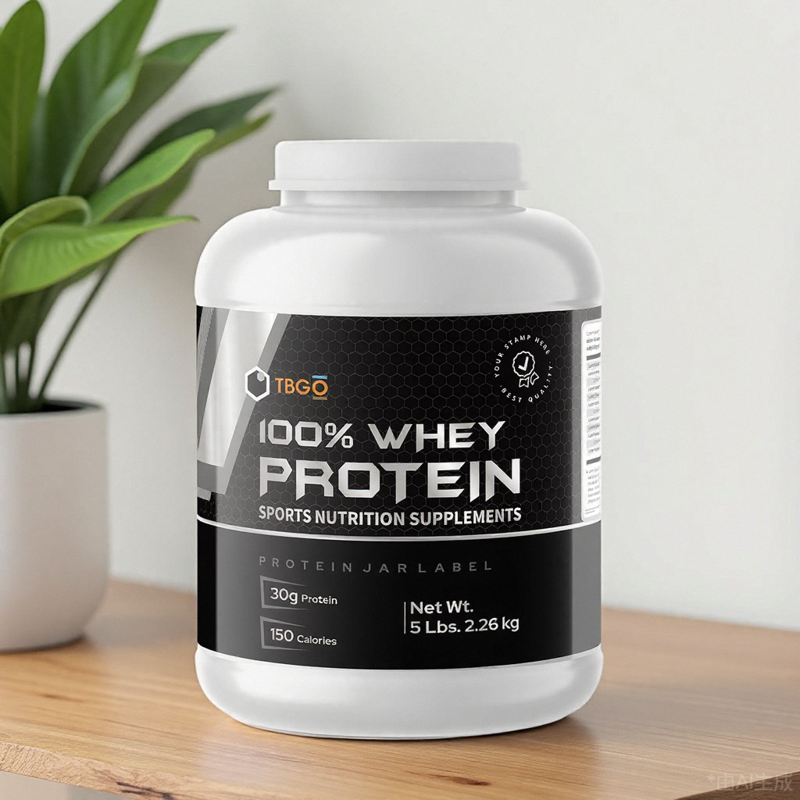



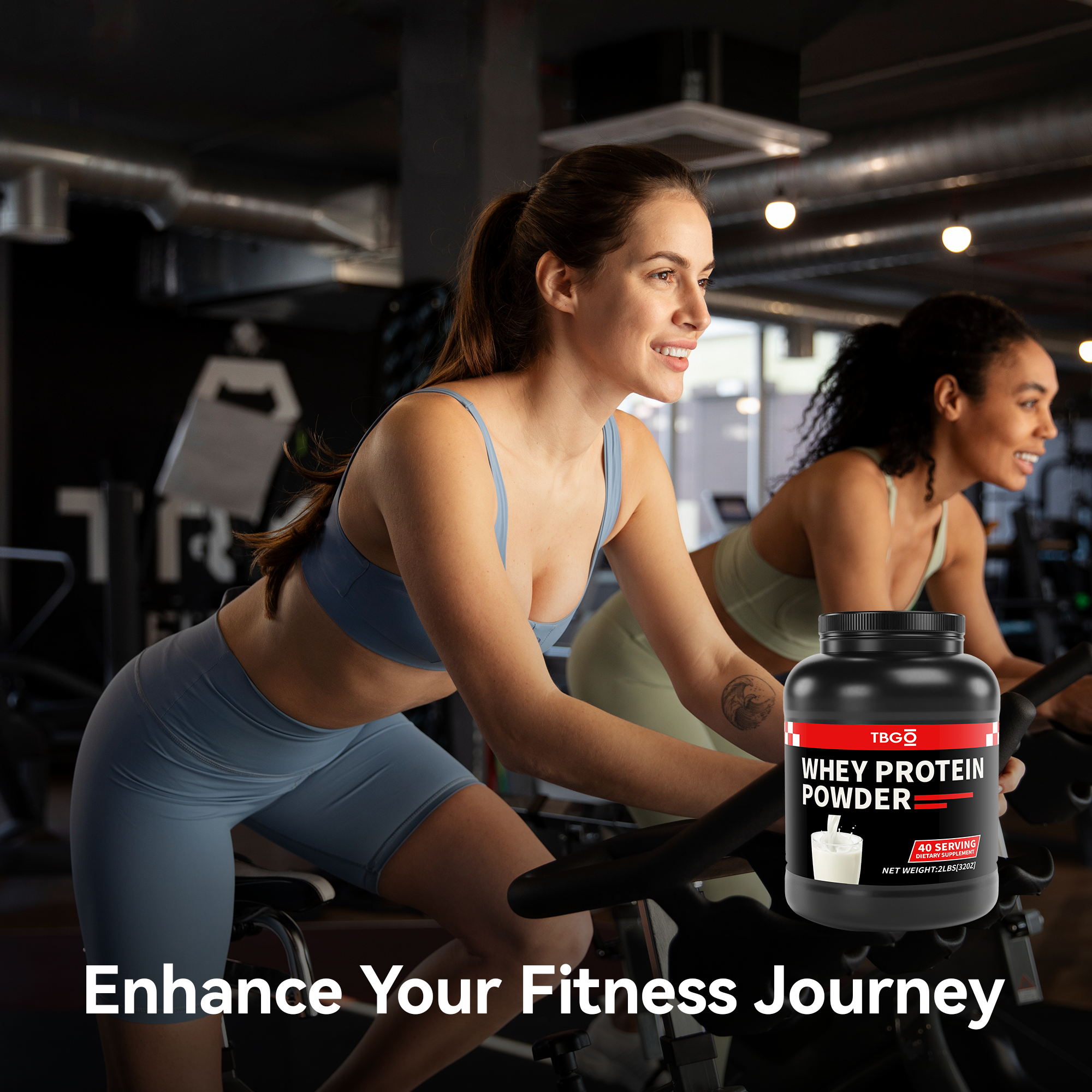
Maximizing Muscle Growth with Whey Protein Isolate Powder
Rapid Amino Acid Delivery and Its Role in Muscle Protein Synthesis
Whey protein isolate gets amino acids into muscles quicker than most other protein options because it breaks down so fast in the body. Studies show that within about 90 minutes after taking it, whey can actually increase muscle building processes by around 30% more than casein or plant proteins do. This gives muscles a real edge for recovery and growth, especially right after working out when the body needs those nutrients most. That's why many athletes prefer whey supplements as part of their post-workout routine.
High BCAA Content, Especially Leucine, for Triggering Muscle Growth
Whey isolate contains plenty of branched chain amino acids, especially leucine, which seems to be what really gets muscles growing. Most servings pack about 3 grams of this stuff, and when it hits the body, it turns on something called the mTOR pathway. Think of this as nature's way of saying "build more protein." Studies have shown that people who stick with whey tend to gain roughly 12 percent more lean muscle mass after 12 weeks than folks going for soy based options instead. Makes sense why so many gym enthusiasts swear by it.
Scientific Evidence Supporting Lean Mass Gains from Whey Isolate Supplementation
A 2022 meta-analysis of nine clinical trials found that individuals using whey protein isolate experienced:
| Metric | Improvement vs. Placebo | Study Duration |
|---|---|---|
| Lean muscle mass gain | +2.3 lbs | 12 weeks |
| Strength increase | +8.5% | 8 weeks |
These benefits are linked to sustained elevation of amino acid levels in the bloodstream for 3—4 hours after ingestion, supporting prolonged muscle protein synthesis.
Whey Protein Isolate vs. Other Protein Types: Efficacy in Muscle Development
Whey isolate outperforms concentrates and plant proteins due to its 90%+ protein purity and ultra-low lactose content (<1%). Its high bioavailable protein density ensures efficient utilization for muscle repair. Clinical comparisons show it stimulates 23% more muscle growth than soy protein in resistance-trained athletes, as demonstrated in a 2022 Frontiers in Nutrition study.
Accelerating Recovery After Intense Workouts
Reducing Muscle Soreness and Downtime with Post-Workout Whey Isolate
Whey isolate helps speed up muscle repair because it delivers those fast digesting amino acids that fight off the damage caused during workouts. Studies show that when someone eats about 30 grams of good quality protein right after exercising, they experience around 37 percent less delayed onset muscle soreness compared to just having carbs for recovery. The whey also gets rid of metabolic waste such as lactate at a rate 22% quicker than casein does. This makes muscles feel less stiff overall and cuts down on how long people need to recover between sessions according to some clinical research which found recovery times were shortened anywhere from 18 to 24 hours.
Optimizing Recovery in Resistance and Endurance Training with Fast-Absorbing Protein
Whey isolate goes through a special filtration process that strips away most of the fat and lactose content, leaving behind a much higher concentration of leucine. We're talking around 14% per serving, which is actually about 33% more than what's typically found in regular whey concentrate products. When consumed, this boost in leucine really gets those mTOR pathways working overtime, helping kick start muscle repair for strength trainers who need to rebuild torn fibers after intense workouts. For endurance athletes too, it seems to support better recovery of their mitochondria, those little powerhouses inside cells. Looking at actual performance metrics from various studies, athletes sticking with whey isolate tend to keep up about 95% of their usual training volume session after session. Compare that to plant based alternatives where folks only hit around 78% consistency. Makes sense why so many serious competitors prefer it despite the price difference.
The Anabolic Window: Timing Whey Protein Isolate Intake for Maximum Effect
According to a recent 2024 study, drinking whey isolate within half an hour after working out boosts muscle protein production by around 58% when compared to waiting longer before consumption. The so called "anabolic window" takes advantage of increased blood circulation, which helps push amino acids into tired muscles about three times quicker than normal. Morning gym goers who grab their whey shake right after training actually pack on roughly 2.3 pounds extra lean muscle each month compared to folks who wait more than two hours to refuel. These findings suggest timing really matters for maximizing gains from protein supplements.
Digestibility, Purity, and Nutritional Advantages of Whey Isolate
Superior Absorption Compared to Whey Concentrate and Hydrolysate
Whey isolate gets absorbed about 30% quicker than regular whey concentrate because it goes through extra filtering steps that take out most of the fat and carbohydrates. The body takes in these amino acids much faster, which makes them really useful right after working out when muscles need fuel badly. Hydrolysate forms do get into the system even faster sometimes, but there's a catch. When manufacturers break down the proteins beforehand with enzymes, some important peptides actually get damaged in the process, making them less effective for building muscle tissue.
| Protein Type | Absorption Speed | Protein Content (%) | Lactose Content |
|---|---|---|---|
| Whey Isolate | 30% Faster | 90-95 | <1% |
| Whey Concentrate | Standard | 70-80 | 4-6% |
| Hydrolysate | Fastest | 85-90 | <1% |
Low Lactose Content: Ideal for Lactose-Sensitive Individuals
With less than 1% lactose, whey isolate is well-tolerated by 68% of lactose-intolerant individuals, according to the National Institute of Nutrition (2024). In contrast, whey concentrate contains 4—6% lactose, which often causes bloating and cramping. Third-party testing confirms leading isolates remove 99% of milk sugars while preserving immunoglobulins that support gut health.
High Protein Density with Minimal Fats and Carbohydrates
When looking at nutrition facts, a 25 gram portion of whey isolate delivers around 23 grams of actual protein content with just under half a gram of fat and about one gram of carbs included. The protein concentration here hits approximately 94 percent by weight, which puts it well ahead of regular whey concentrate that typically clocks in around 80% protein. Most plant based alternatives fall somewhere between 70 to 85% protein content as well. For people focused on building lean muscle mass without added bulk, this makes whey isolate particularly attractive. Research conducted in controlled settings indicates that athletes who incorporate isolates into their regimen tend to build roughly 18% more lean body mass within a 12 week period compared to those sticking with standard concentrates. Of course, individual results can vary based on training intensity and overall diet quality.
The Complete Amino Acid Profile Behind Performance Gains
Essential Amino Acids in Whey Protein Isolate and Their Metabolic Roles
Whey isolate has got all those essential amino acids our bodies just can't make on their own. Think about it - histidine, lysine, leucine... these guys are really important for fixing muscles after workouts, making enzymes work properly, and keeping nitrogen levels balanced in the body. According to some research published last year in Food Science & Nutrition, whey isolate packs around 42 grams of these essential amino acids in every 100 grams of protein content. That's actually quite a bit more than what most plant based options offer, somewhere between 30 to 60 percent extra. And this complete profile means our bodies can put that dietary protein to good use when we need it most, especially after hitting the gym hard.
Why Whey Isolate Leads in BCAA Delivery for Intense Training Support
The branched chain amino acids (BCAAs) found in whey isolate include leucine, isoleucine, and valine, which together account for around 25% of the amino acid content. Leucine itself makes up approximately 7.25 grams out of every 100 grams of whey isolate. What makes leucine so special? Well, it actually triggers something called the mTOR pathway in our bodies, and this process helps build new muscle tissue. Studies have looked into how much leucine we need after working out, and they found that getting between 3 to 4 grams can speed up recovery time by about 22% when compared to proteins that don't contain as many BCAAs. Athletes who switch to whey isolate often notice better results too. Over the course of 12 weeks, these individuals tend to gain roughly 19% more strength than those sticking with plant based alternatives. The difference seems to come down to how quickly the body responds to these signals from leucine.
Debating Effectiveness: Are All Whey Protein Isolate Supplements Equal?
Whey isolates vary quite a bit in quality depending on how they're processed. When manufacturers use low temperature methods, they tend to keep those important BCAAs intact. But watch out for products that go through heavy filtration processes since this can cut down on tryptophan and cysteine content sometimes by around 15%. Some recent testing shows that nearly a quarter of what's sold on store shelves doesn't actually contain as much leucine as the label says. If someone wants to get the most value for their money, looking for NSF certified whey isolate makes sense. Also check if the company provides detailed info about their amino acid profile before buying anything.
The synergy of EAAs and BCAAs in whey protein isolate makes it a top-tier choice for athletes seeking measurable gains in recovery, strength, and metabolic efficiency.
Whey Protein Isolate Powder in Real-World Athletic Performance
Benefits for Strength and Endurance Athletes Across Training Regimens
Whey isolate works well for different kinds of workouts and fitness goals. Bodybuilders and weightlifters get around 28 grams of protein in each serving, which is actually about 20 to 25 percent more than what's typically found in regular whey products. This extra protein helps maintain muscle mass when someone is doing heavy lifting sessions. Runners and other endurance athletes find value too since the protein gets absorbed quickly into their system, refilling those amino acids that get used up during long training sessions. According to research published last year in the Athletic Nutrition Report, people who took whey isolate along with planned workout cycles saw improvements in their strength numbers by roughly 12 percentage points over those who didn't take any supplements at all.
Case Studies: Elite Athletes Using Whey Isolate for Recovery and Performance
During a six month experiment, Olympic weightlifters noticed their muscle soreness dropped by around 34% after drinking whey isolate within half an hour of working out. Marathon runners had similar success stories too. A different research project found these athletes recovered from tough runs about 19% faster when they took isolates containing roughly 7 grams of BCAAs each dose according to findings published in the Sports Research Clinical Trial. What's interesting is both sets of athletes missed far less training sessions because they felt less tired overall. The drop in interruptions was approximately 23%, which makes sense given how much better they were recovering between workouts.
Growing Trend of Whey Isolate Adoption in Professional Fitness Communities
Whey isolate has become pretty much standard now, showing up in around 67% of pro sports team nutrition programs these days. That's way up from just 42% back in 2020. Fitness centers are seeing this shift too, with nearly 60% of gym goers actively looking for products labeled as "isolate." They mention things like easier digestion since there's less lactose, plus they seem to build muscle quicker. The numbers back this up too. Studies indicate folks who stick with isolate hit their muscle growth targets about 21% faster compared to people who rely on regular whey concentrate instead.
FAQ Section
What is whey protein isolate?
Whey protein isolate is a highly purified form of whey protein that contains over 90% protein content and is low in lactose and fats.
How does whey protein isolate benefit muscle growth?
Whey protein isolate provides rapid amino acid delivery, which supports muscle protein synthesis and recovery, leading to enhanced muscle growth.
How is whey protein isolate different from whey concentrate?
Whey protein isolate goes through special filtration processes to achieve higher protein purity and lower lactose content compared to whey concentrate.
Is whey protein isolate suitable for lactose-intolerant individuals?
Yes, whey protein isolate has low lactose content and is well-tolerated by many lactose-intolerant individuals.
What is the anabolic window?
The anabolic window refers to the optimal time period, usually within 30 minutes post-exercise, during which nutrient intake like whey protein can maximally enhance muscle recovery and growth.
Table of Contents
- Maximizing Muscle Growth with Whey Protein Isolate Powder
- Accelerating Recovery After Intense Workouts
- Digestibility, Purity, and Nutritional Advantages of Whey Isolate
- The Complete Amino Acid Profile Behind Performance Gains
- Whey Protein Isolate Powder in Real-World Athletic Performance
- FAQ Section