
 EN
EN




Nutritional Profile of High-Protein Soybean Powder
Protein Content Per Serving in Soy Protein Powder
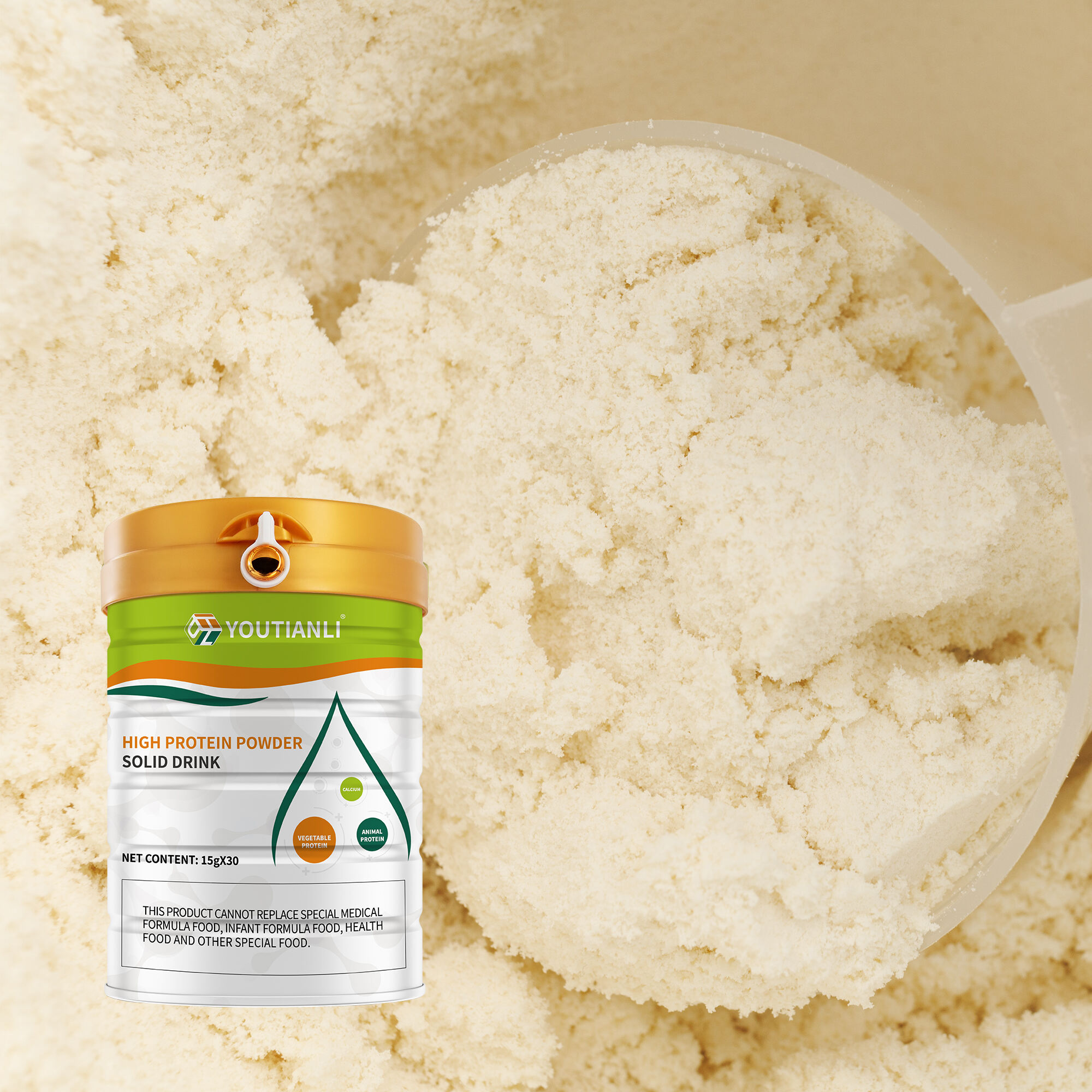
Soybean powder packed with protein offers between 25 to 36.5 grams of protein for every 100 grams consumed, though exact amounts can vary based on how it's processed according to USDA data from 2024. The commercial versions we find in stores usually hit around 90% protein content, which beats out alternatives like pea or rice proteins that generally sit somewhere between 70 and 85%. For someone looking to boost their diet, just two tablespoons gives them about 18% of what they need daily in terms of protein as reported by Market.us in 2023. That makes soybean powder pretty useful when manufacturers want to fortify regular foods or create ready-to-eat meals that pack a nutritional punch without needing much volume.
Soya Protein as a Complete Plant-Based Protein With Essential Amino Acids
Soy stands out among plant proteins because it actually has all nine essential amino acids our bodies need. A serving typically packs around 2 to 3 grams of leucine, which plays a big role in helping muscles build new proteins after exercise. Studies published last year in Frontiers in Nutrition show that soy's amino acid makeup matches pretty well with what the World Health Organization recommends. This makes soy a good choice for baby formulas and special diets where getting complete nutrition matters most. Many healthcare professionals now recommend incorporating soy into meal plans for people recovering from illness or injury too.
Amino Acid Profile, Including Limiting Amino Acids Like Methionine
While methionine levels in soy (1.3 g/100g) are lower than in animal proteins like whey (2.2 g/100g), combining soy with grains effectively balances this limitation. Modern isolation techniques reduce phytates by 80—90% (Journal of Agricultural Chemistry 2023), significantly improving methionine bioavailability and addressing historical concerns about soy’s amino acid limitations.
Protein Quality Metrics: PDCAAS and Digestibility of High-Protein Soybean Powder
Soy protein isolate scores right at the top with a PDCAAS rating of 1.0, putting it on par with casein and egg whites when it comes to quality. The body digests about 92.3% of soy protein, which is better than what we see with pea protein at around 87% or hemp protein coming in lower at 84%. These numbers come from actual feeding studies done under controlled conditions. Some newer processing techniques like enzymatic hydrolysis have taken things even further, pushing digestibility past 95% for high-end isolates that show up in specialized medical formulas and sports nutrition products where maximum absorption matters most.
Processing Methods and Their Impact on Soy Protein Quality
Soy Protein Isolate vs. Concentrate: Differences in Purity and Processing
The differences between soy protein isolate (SPI) and soy protein concentrate (SPC) mainly come down to their purity levels and manufacturing methods. For SPI, manufacturers typically use alkaline extraction followed by acid precipitation to strip away most of the fats and carbs, which leaves behind around 90 to 95 percent pure protein. On the other hand, SPC goes through gentler processing techniques such as ethanol washing that keeps more of the original fiber and carbohydrates intact, giving it roughly 65 to 70 percent protein content instead. Recent research from last year showed something interesting too: because of its more refined molecular structure, SPI dissolves better in water, making it ideal for those sport drinks and protein shakes we see everywhere these days. Meanwhile, companies often prefer SPC when they need to fortify mass produced foods simply because it costs less per pound despite having slightly lower protein concentration.
How Extraction and Refinement Affect Nutritional Value and Digestibility
The way proteins are processed really affects their overall quality. Soy protein isolate gets a perfect score on the PDCAAS scale because most of those pesky anti-nutrients get knocked out during processing, especially things like trypsin inhibitors that mess with digestion. But watch out for what happens when manufacturers dry the product at high temps. Tests show this method cuts down on how well proteins break down in lab conditions by somewhere around 8 to maybe even 12 percent. That pales in comparison to softer techniques like freeze drying which preserves more of the nutritional value. On the flip side, when companies make soy protein concentrate through fermentation processes, they actually boost digestibility rates up to about 90%. The fermentation breaks apart complicated carbs making it easier on the stomach. This matters a lot for anyone developing plant based meats where good digestion is key to consumer acceptance.
High-Protein Soybean Powder vs. Other Plant-Based Proteins
Comparing Soya Protein to Pea, Rice, and Hemp Proteins in Nutrition and Completeness
High-protein soybean powder stands out among plant-based proteins due to its complete amino acid profile, containing all nine essential amino acids required for human health. Unlike pea protein (low in methionine) or rice protein (deficient in lysine), soy does not require complementary pairing, simplifying formulation for manufacturers.
| Protein Source | PDCAAS Score | Limiting Amino Acid |
|---|---|---|
| Soybean Powder | 1.0 | None |
| Pea Protein | 0.89 | Methionine |
| Rice Protein | 0.47 | Lysine |
| Hemp Protein | 0.46 | Lysine, Leucine |
Studies show soy’s digestibility ranges from 90—95%, rivaling whey and exceeding pea (85—88%) and rice (70—78%) in bioavailability (FAO/WHO 2023). This makes high-protein soybean powder particularly effective for muscle-building applications and rapid nutrient delivery.
Is Soy Truly Superior? Analyzing the Plant Protein Debate for B2B and Consumer Use
While soy leads in protein quality, factors like cost and consumer perception influence adoption. Pea protein is 12—15% cheaper than soy isolates, driving its use in budget-friendly products. However, soy’s neutral flavor and natural emulsification properties reduce the need for additives—advantageous for clean-label formulations.
Rice and hemp proteins are slowly making their way into allergen-sensitive markets even though they need to be mixed with other ingredients because their amino acid profiles aren't complete. Looking at recent industry reports, around three quarters of food scientists still go for soy when purity matters most above 80%, while pea protein has become the go-to choice for snack bars and bakery items. There's definitely talk about those phytoestrogens in soy products, but according to studies published last year in the Journal of Nutritional Science, people consuming under 100 grams per day don't seem to experience any hormone-related issues based on current research findings.
Muscle Building, Performance, and Health Implications
Effectiveness of Soya Protein for Muscle Building and Fitness Recovery
In a typical 30 gram serving of high protein soybean powder, people get around 20 to 25 grams of protein. Leucine makes up roughly nine percent of all the amino acids present here, which is actually pretty close to what we see in whey protein and enough to kick start muscle building processes after workouts. Recent studies from 2023 looked at eighteen different clinical trials and they showed something interesting too. When athletes take soy supplements after exercising, their muscles seem to repair themselves at about the same rate as when using animal based proteins. This works well because soy has good digestibility rates between eighty five and ninety percent, meaning our bodies can absorb those valuable amino acids efficiently for recovery.
Soy vs. Animal-Based Proteins in Athletic Performance and Dietary Sustainability
Soy might not be quite as fast at triggering protein synthesis compared to whey in those short term tests, about 10 to 15 percent slower actually. But when we look at longer term results from research like what Van Vliet and colleagues found back in 2015, people end up gaining similar amounts of muscle mass after completing their 12 week training programs. From a business perspective, there's another angle worth considering for companies looking at ingredients. Soy has some real green credentials too. To produce just one kilogram of soy protein takes significantly less space on farms, roughly 72 percent less land area compared to beef protein production. And let's not forget about emissions either. The carbon footprint is dramatically smaller too, cutting down greenhouse gases by around 85 percent versus traditional beef sources. These numbers matter a lot when businesses are trying to meet sustainability goals these days.
Health Benefits of High-Protein Soybean Powder: Heart Health and Cholesterol Reduction
Meta-analyses of 12 clinical trials (2023) show that daily soy protein intake lowers LDL cholesterol by 12—15%, attributed to bioactive peptides that inhibit intestinal cholesterol absorption. The FDA reaffirmed soy’s heart-health claim in 2022, reinforcing its role in functional foods targeting cardiovascular risk reduction.
Phytoestrogens and Hormonal Effects: Debunking Myths Around Soy Consumption
The binding strength of soy isoflavones to estrogen receptors is pretty weak actually, roughly 1,000 times weaker than estradiol. Looking at research from last year, there was this big review covering 42 different studies and what they found? No real problems with testosterone levels or thyroid function for either men or women who consumed soy regularly. Even when athletes were given generous amounts of soy protein, like up to 50 grams per day, their hormone profiles didn't differ much from people getting the same amount of protein from casein sources. Makes sense really since most folks worry about soy messing with hormones but the evidence just doesn't back that up.
Allergenicity and Food Sensitivities Related to Soy in Commercial Products
Soy allergies affect approximately 0.5% of adults (FARE 2024), but hydrolyzed soy protein isolates reduce antigenicity by up to 90%, offering a safer option for sensitive populations. In commercial manufacturing, cross-contamination remains the primary concern rather than inherent allergenicity of properly processed soy ingredients.
Practical Applications in Food Formulation and Daily Diets
Uses of High-Protein Soybean Powder in Shakes, Bars, and Fortified Foods
Soybean powder packed with protein has become a staple ingredient across various food products these days. Found commonly in protein shakes, meal replacement bars, and even some breakfast cereals, it works well because of its bland flavor profile and how easily it dissolves without forming lumps. Most commercial varieties contain around 80 to 90 percent protein on a dry weight basis, which makes them attractive for companies trying to keep their labels simple and free from artificial additives. When compared to proteins derived from grains, soy actually enhances the mouthfeel and mixing properties of baked items like energy bars. Manufacturers are increasingly incorporating this versatile powder into pasta products and snack foods to increase their plant-based protein offerings. The demand for such products continues to climb steadily, with annual growth rates hitting approximately 12 percent in pre-packaged ready-to-eat foods since early 2022.
Role of Soy in Plant-Based Meat and Dairy Alternatives for Scalable B2B Solutions
Soy protein isolate has become the go-to component for most plant based meats because it creates those fibrous textures similar to real meat after being processed through extrusion machines. When making dairy free products like vegan cheese or yogurt, soybean powder plays a key role too. It adds thickness to the product while holding onto moisture which helps keep things stable on store shelves longer. The price point also makes sense for manufacturers looking at costs. Bulk purchases typically range from around $2.50 to $3.50 per kilogram, so it's pretty economical compared to other options. And unlike newer alternatives like pea or hemp proteins, soy benefits from an established worldwide supply network. This means producers can reliably get their hands on massive quantities year after year – we're talking over 10,000 metric tons produced each year globally. That kind of consistency supports big business operations and wholesale sales across many different markets.
FAQ Section
What is the protein content of high-protein soybean powder?
High-protein soybean powder offers between 25 to 36.5 grams of protein per 100 grams, with most commercial versions containing around 90% protein content.
Does soy protein contain essential amino acids?
Yes, soy protein is a complete plant-based protein containing all nine essential amino acids required by the human body.
How is soy protein isolate different from soy protein concentrate?
Soy protein isolate is more refined, containing 90-95% pure protein, while soy protein concentrate retains more fiber and carbohydrates, with a protein content of 65-70%.
Can soy protein be used for muscle building?
Yes, soy protein is effective for muscle building and fitness recovery, similar to animal-based proteins, due to its good digestibility and amino acid profile.
Are there any health concerns with consuming soy products?
Research shows consuming up to 100 grams of soy protein per day does not cause hormone-related issues in humans. The allergenicity of soy is reduced significantly in hydrolyzed soy protein isolates.
Table of Contents
- Nutritional Profile of High-Protein Soybean Powder
- Processing Methods and Their Impact on Soy Protein Quality
- High-Protein Soybean Powder vs. Other Plant-Based Proteins
-
Muscle Building, Performance, and Health Implications
- Effectiveness of Soya Protein for Muscle Building and Fitness Recovery
- Soy vs. Animal-Based Proteins in Athletic Performance and Dietary Sustainability
- Health Benefits of High-Protein Soybean Powder: Heart Health and Cholesterol Reduction
- Phytoestrogens and Hormonal Effects: Debunking Myths Around Soy Consumption
- Allergenicity and Food Sensitivities Related to Soy in Commercial Products
- Practical Applications in Food Formulation and Daily Diets
- FAQ Section