
 EN
EN






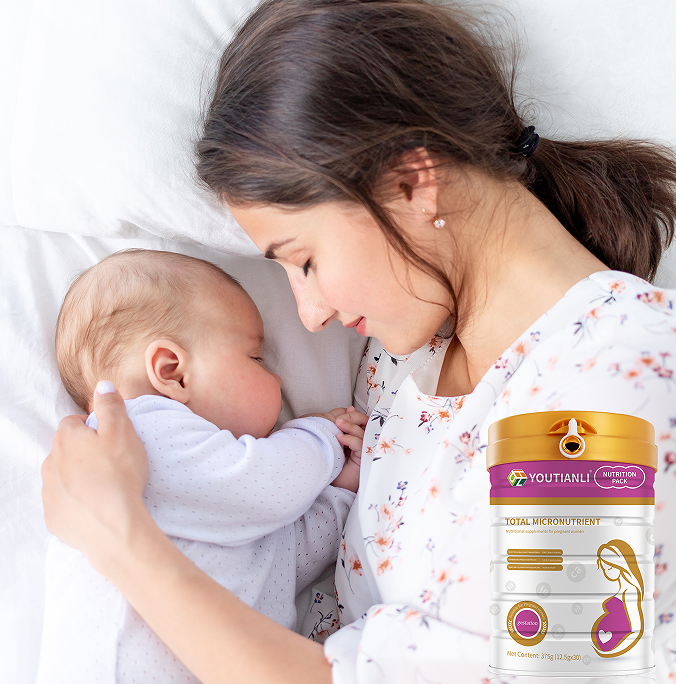
Kwa Nini Shirikisho la Kistrategia Ni Muhimu kwa Mafuta ya Chakula cha Kuzalia na Watoto
Uundaji Pamoja dhidi ya Uzalishaji kwa Mikataba: Utakazo, Udhibiti wa Haki za Mipaka, na Uthibitisho wa Kliniki
Uamuzi kati ya kuendeleza pamoja bidhaa au kutumia uzalishaji kwa mkataba unahusisha kiasi gani kitu kinafika kwenye soko haraka, nani anamiliki haki za mali ya akili, na jinsi ya utafiti wa sayansi unavyoonekana kwa uaminifu. Unapochagua kuendeleza pamoja, mashirika huipata fursa ya kuingiliana katika vifaa vya utafiti vinavyotumikana pamoja na kugawanya ujuzi tofauti kutoka sehemu mbalimbali. Mbinu hii inaweza kupunguza wakati wa kuendeleza kwa takriban 30 hadi 40% kuliko kufanya kazi peke kwa vitengo tofauti. Pia, kuna njia mbalimbali za kuweka mikataba ya sheria ambayo yanasimamia maslahi ya pande zote mbili kuhusu patenti. Kilichofanya kuendeleza pamoja kuwa tofauti ni uwezo wake wa kusaidia mchakato wa mtihani wa kliniki kwa kina—kama vile majaribio ya kawaida ya macho mawili yasiyoona (double blind trials) na tathmini za uwezekano wa kujisafirisha kwa mwili (bioavailability) ambazo zinakidhi kwa kweli viwango vya juu vya watawala wa EFSA na FDA. Uzalishaji kwa mkataba unaotumika kwa kawaida unazingatia kufanya mambo haraka, mara nyingi kwa muda wa chini ya miezi nane, lakini kwa kawaida inamaanisha kutoa haki za patenti kwa mfanyabiashara mwenyewe. Ushiriki wa kliniki huwa kimefungwa kwa kiasi cha chini tu kwa sababu ya mahitaji ya sheria. Kwa bidhaa zenye ufanisi wa juu kama vile misoro ya protini iliyopaswa kwa ajili ya watoto wenye dhiki ya kumnyonya (hypoallergenic hydrolyzed protein formulas), ambapo patenti nyingi tayari zimepangwa na mafanikio ya kuzalisha yanapatikana chini ya ukaguzi mkali wa watawala, kuchagua njia ya kuendeleza pamoja siyo tu muhimu—bali leo ni jambo la lazima.
Gharama ya Kufanya Makubaliano: Jinsi ya Ushirika wa Chini ya Kiwango Unachokodisha Ukatali wa Mashirika ya Utafiti na Uaminifu wa Jina la Biashara
Wakati mashirika hujiunga na watoa huduma ambao hawakidhi viwango, huuza matatizo yanayozidi kuzidi. Mashinali mara nyingi hukabiliana na matatizo kama vile rekodi za vinyo vya mazao yasiyoipatikana au yanayotokana na makosa, ambayo inaeleza kwa nini vitendo vya utendaji vya FDA vilizidisha kwa asilimia 17 mwaka jana pekee. Kuna pia tatizo la mikutano ambayo hayajengwa vizuri, ikasababisha ukuwepo wa virutubisho vinavyotofautiana zaidi ya kipindi cha kuvuruga cha asilimia 10 kinachokubalika. Na kisha kuna hoja za afya ambazo hakuna ushahidi wa kweli kuhusu zile, bila shaka kusababisha uchaguzi wa kufutwa na EFSA. Makosa yote haya mara nyingi huishia kwa kuondolewa kwa bidhaa, ambayo kila mara ina gharama ya dola milioni moja hadi milioni mbili. Ila hata mbaya zaidi, wakati watu hupoteza imani katika shirika, hasa wazazi wanaouza bidhaa za lishe ya watoto, wanaweza kutokuja tena. Taasisi ya Ponemon iligundua kwamba karibu watu wakumi na wanne kati ya watu wawili wanaotumia bidhaa hizi huacha kuyatumia milele baada ya hitilafu yoyote ya ubora kutokea. Mashirika yanayotumia mbinu za kujenga bidhaa bora (GMP) za kuchagua watoa huduma au yasiyo na uwezo wa kujenga mfumo kamili wa kurekodi taarifa za kliniki zinazotumika kwa ajili ya utathmini wa kisayansi zinazojitokeza zaidi katika matatizo haya. Hivyo ndipo kuchunguza wafanyabiashara wanaoweza kuwa wenzio hujapita tu kuiangalia sertifikati zao. Mashirika ya akili yanaomba wenzio wanaowezaje kuelewa na kufuata sheria kwa vitendo, si tu kwenye karatasi.
Kuchagua Mshirika na Uwezo Ulionekana Katika Mchakato wa Mafuta ya Chakula cha Mama na Mtoto
Ulinganisho wa Sheria: Kupita Mahitaji ya FDA, EFSA, na APAC Kwa Pamoja
Kupata bidhaa kuzunguka duniani kwa ujumla inamaanisha kushughulikia labirinti ya sheria tofauti. Chukua, kwa mfano, taarifa za awali za FDA kuhusu mazingira mpya, kanuni za EFSA zinazohusiana na maana ya kujitambulisha kama taarifa ya afya yenye thibitisho, na kisha kuna Asia Pacific ambapo mambo huwa ya kuzidi kuwa ngumu zaidi. Uchina unahitaji paketi za wasifu tofauti kabisa pamoja na majaribio ya ustawi yanayofanywa kwa lazima ndani ya nchi hiyo. Gharama ya kufanya hivi si sawa ni kubwa sana. Kampuni zinazokabiliana na kuchomwa kwa bidhaa au kurejesha bidhaa mara nyingi hupoteza takriban dola milioni moja na sabini na nne kulingana na utafiti wa Taasisi ya Ponemon kutoka mwaka jana. Na ikiwa bado lazima zirekebishe bidhaa kwa sababu ya matatizo ya sheria, mara nyingi huachwa muda wa miaka moja na nane hadi miaka miwili kabla ya kuanza kuzitolea katika masoko hayo. Kampuni zenye akili zinawezekana kufanya uwekezaji katika mfumo wa kufuatilia mabadiliko ya sheria kwa wakati wa kweli katika mikoa mbalimbali, pamoja na miongozo maalum ya majaribio ya ustawi yanayotengenezwa kwa kila eneo. Unapochunguza wafanyakazi wa uwezekano, usijadili tu ubainisho wa uhakika katika nchi moja au mbili. Hakikisha kuwa kuna uhakika uliowekwa kwenye hati katika kila soko ambalo bidhaa itasalekana. Hatua rahisi hii inaonyesha kiasi gani kampuni imewekwa tayari kwa shughuli za kimataifa.
Uchaguzi wa Vifungu vya Kijamii vya Daraja la GMP na Uwezo wa Kuthibitisha Kliniki: Vitu ambavyo Haivunjwi
Mifumo ya kisasa ya lishe kwa mama na mtoto inahitaji mazingira ya kisasa ya dawa pamoja na mikakati iliyotengenezwa vizuri. Wakambuzi wakuu hufanya uchunguzi wa kina juu ya vituo vya mazingira yao ya kwanza, kushikilia hasa metali za kisasa chini ya sehemu 0.01 kwa milioni, kuhakikisha kuwa mikroba yanavyoendeshwa kwa urahisi, na kutoa hati kwa kila kikundi cha uzalishaji. Uwezo wa kufanya majaribio ya kliniki unafanya kazi sawa sasa, hasa unapofanya majaribio sahihi katika makundi tofauti ya watu. Utaratibu wa kufuatia maendeleo ya watoto pamoja na majaribio ya kufafanua jinsi ya kuvutwa kwa virisho vinaweza kupunguza idhini za kuvunja kauli za masoko kutoka kwa watawala kwa takriban asilimia 92 kulingana na Ripoti ya Kimataifa ya Lishe ya mwaka jana. Unapochagua wakambuzi wa uwezekano, hakikisha kwamba wamechapisha matokeo yao katika majurnali ya kuheshimiwa na wanaendesha vyombo vya kifauri vyao binafsi badala ya kujitokeza tu kwenye majaribio ya nje. Kukata pembe za ubora wa mazingira au kusindikiza uthibitisho wa sayansi sahihi unafungua mlango kwa matatizo ya uchafuzi wa bidhaa, adhabu kutoka kwa watawala, na udhalimu wa kudumu kwa sifa ya kampuni.
Unovu Unaokuletea: Utofauti Unaoshehekewa Kwa Matokeo Katika Mchakato Wa Chumvi Cha Ulinzi Wa Mama Na Mtoto
Viliproteinu Vilivyopaswa, HMO, na Mifumo Ya Vinywele Inayotambulisha Jinsia: Data Gani Za Kliniki Zinayosaidia
Mipango ya kweli katika mafuta ya watoto kwa mama siyo kuhusu taarifa za kuzindua soko zinazotabasamu, bali ni kuhusu sayansi imara iyo inayomfanya. Chukua kwa mfano protini zilizopaswa kwa maji (hydrolyzed proteins). Hizi ni kwa msingi wa kuvunjwa ili wasisitiri uchungu zaidi, na utafiti unaoonyesha kwamba hii inafanya kazi vizuri kwa watoto ambao wengine wangekuwa na mafuriko. Kisha kuna HMOs, hasa kitu kinachoitwa 2'-fucosyllactose. Kitu hiki hufanya kile kilichofanywa kwa asili na mafuta ya mamakwao kwa ajili ya ulinzi wa mwili na afya ya tumbo, na majaribio yamethibitisha hii kwa kuonyesha kuwa watoto wanaopewa mafuta yenye haya yanapata magonjwa ya tumbo na kifua kikubwa chini. Utaratibu mpya zaidi hata unajadili jinsi watoto wanaume na wanaume wanavyochukua virutubishi tofauti. Wanawake mara nyingi wanahitaji chuma zaidi wakati wakifanya kukua haraka, wakati wanaume wanaweza kufanya vizuri zaidi na viwango vya nishati tofauti kidogo na mikusanyo ya vitamini ili kusaidia kujenga misuli kwa usahihi. Majaribio ya kliniki yanayofuatilia maendeleo ya watoto kwa muda mrefu yamehitaji manufaa haya yote, ikiwemo upatikanaji bora zaidi wa virutubishi, maendeleo bora ya tumbo, na mzigo wa kushuka usahihi. Makampuni ambayo huondoka utafiti wa kweli na kufanya taarifa kubwa tu huenda kupata bidhaa zisizo kufanya kazi kama ilivyotarajwa na kuhitaji matatizo kutoka kwa watawala baadaye. Kujenga imani hutaka muda, lakini kushikilia kile kilichothibitishwa na sayansi kujenga mafuta ambayo wazazi wanaweza kuamini kweli katika masoko mbalimbali duniani.
Kuhakikisha Ubora Unaofanana: Kutoka Kwa Maendeleo ya Kifungu cha Laboratorini Mpaka Uzalishaji wa Ungo wa Chakula cha Wazazi na Watoto kwa Skali ya Biashara
Mafumbuzi ya Kuchanganya Kavu: Ufanana, Uthabiti, na Usalama wa Viroba
Kupata ubora wa kudumu unategemea sana ukarimu katika kila hatua ya mchakato wa kushirikisha kavu. Unapokuwa na kujitenga kwa zaidi ya 5%, huu husababisha usio sawa wa usambazaji wa vinyongo na hujawaza afya ya watoto wadogo kwa njia hasara. Kwa hivyo, kufuatilia usawa wa shirika katika wakati halisi umekuwa muhimu sana kwa watoa bidhaa. Ili kudumisha ubora wa bidhaa, vituo vinahitaji kuweka kiwango cha upepo wa maji chini ya 35% RH katika maeneo ya uhifadhi na uzalishaji. Hii inakimbia maji kutengeneza ubora wa bidhaa kwa muda wa kawaida wa miaka 18 hadi 24. Usalama wa bakteria pia hauna kuzuilwa. Cronobacter sakazakii bado ni wasiwasi mkubwa kwa sababu utafiti unaonyesha kwamba unasababisha kifo cha watoto wadogo kwa asilimia 40 hadi 80 ikiwepo. Watoa bidhaa wanahitaji kutekeleza mamlaka za GMP zinazofaa dhidi ya hatari hii, ikiwa ni pamoja na kuunda eneo la kazi lisilo na vimelea, kutumia mfumo wa kufiltrisha hewa iliyopigwa na umeme, na kufanya majaribio ya ATP kwa kutumia swab kila mara. Uchunguzi wa mara kwa mara wa bidhaa iliyotolewa pamoja na miongozo ya kusafisha kwa ukamilifu inasaidia kudumisha viwango vya vimelea chini ya kiwango kinachofaa. Makampuni yanayoeleza udhibiti wa kweli juu ya mambo haya yote, isipokuwa kwa kufuata tu vitabu vya utii, yatafanya kazi kwa mafanikio katika kukuza shughuli zao wakati wanakidhi vipengele vya FDA, EFSA, na APAC kwa pamoja.
Orodha ya Mada
- Kwa Nini Shirikisho la Kistrategia Ni Muhimu kwa Mafuta ya Chakula cha Kuzalia na Watoto
- Kuchagua Mshirika na Uwezo Ulionekana Katika Mchakato wa Mafuta ya Chakula cha Mama na Mtoto
- Unovu Unaokuletea: Utofauti Unaoshehekewa Kwa Matokeo Katika Mchakato Wa Chumvi Cha Ulinzi Wa Mama Na Mtoto
- Kuhakikisha Ubora Unaofanana: Kutoka Kwa Maendeleo ya Kifungu cha Laboratorini Mpaka Uzalishaji wa Ungo wa Chakula cha Wazazi na Watoto kwa Skali ya Biashara